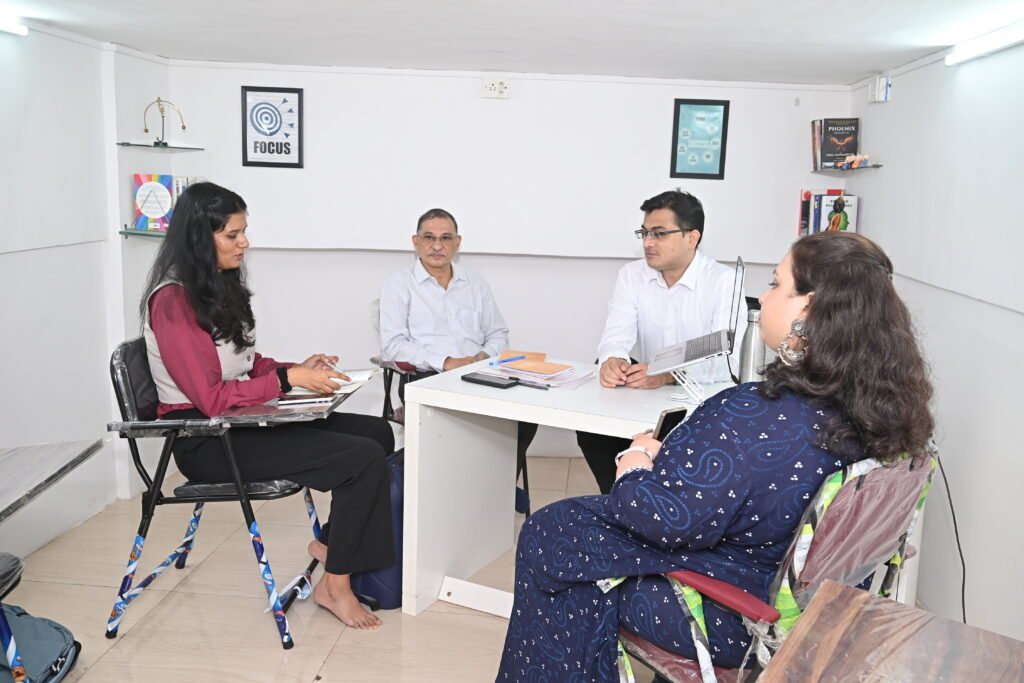
Every marriage experiences challenges at different stages. Two people may love and care for each other but still struggle with communication, misunderstandings, family responsibilities, financial decisions, emotional distance, or differences in expectations. When these issues remain unresolved, they can gradually affect trust, companionship, and the overall quality of married life. Seeking Marriage Counselling in Thane can provide couples with a supportive environment to understand these difficulties and work towards healthier ways of relating to each other.
Some couples seek professional guidance when conflicts become frequent, while others want to improve their relationship before problems become serious. Counselling is not limited to marriages that are close to ending. It can also support couples who want to strengthen communication, rebuild emotional closeness, or prepare for a major life transition.
If you and your partner are experiencing relationship difficulties, understanding how professional counselling works can help you make an informed decision. This guide explains common marital challenges, the benefits of therapy, what happens during sessions, and how to choose a suitable professional in Thane.
Table of Contents
What Is Marriage Counselling and How Does It Work?
Marriage counselling is a professional process in which partners work with a trained counsellor to understand relationship difficulties, improve communication, and explore practical ways to address disagreements. It offers a structured setting where both individuals can express their feelings and concerns without relying on blame or arguments.
People considering Marriage Counselling in Thane should understand that counselling is not about deciding which partner is right or wrong. Instead, it focuses on understanding each person’s perspective and identifying changes that may improve the relationship.
What Does a Marriage Counsellor Do?
A marriage counsellor facilitates conversations and helps partners examine the emotional and practical factors affecting their relationship. Depending on the couple’s concerns, the professional may:
- Encourage respectful and balanced communication.
- Help partners identify recurring disagreements.
- Explore expectations, boundaries, and individual needs.
- Support conversations about trust and emotional connection.
- Introduce practical conflict-resolution techniques.
- Help couples discuss major decisions more constructively.
- Encourage realistic relationship goals.

Common Signs That Couples May Need Professional Support
Not every disagreement requires counselling. Differences in opinions are normal in a marriage. However, when problems become repetitive, emotionally exhausting, or difficult to resolve, professional guidance may be worth considering.
1. Frequent Arguments Over Small Issues
Sometimes minor disagreements become much bigger because of unresolved frustration. A discussion about household chores, shopping, or daily schedules may quickly turn into an argument about respect, responsibility, or feeling unappreciated.
If the same disagreements keep returning without meaningful resolution, counselling may help identify the underlying concerns.
2. Communication Has Become Difficult
Healthy communication involves listening, expressing needs clearly, and responding respectfully. Couples may struggle when conversations regularly involve criticism, interruptions, defensiveness, or silence.
For example, one partner may say, “You never understand me,” while the other responds by defending themselves. Neither person feels heard, and the original concern remains unresolved.
3. Emotional Distance Between Partners
Emotional distance can develop gradually. Partners may continue living together and completing daily responsibilities but stop sharing personal thoughts, feelings, and experiences.
A lack of meaningful conversations, affection, or shared activities may indicate that the relationship needs attention.
4. Trust Has Been Affected
Trust may be damaged by dishonesty, broken promises, secrecy, or infidelity. Rebuilding it can require honest communication, accountability, clear boundaries, and time.
Marriage Counselling in Thane may help partners explore what happened, understand its impact, and discuss whether rebuilding trust is a realistic and mutually acceptable goal.
5. Family and External Pressure
In many marriages, relationships with parents, relatives, and extended family members influence everyday decisions. Disagreements about responsibilities, privacy, financial support, or family involvement can create tension.
Counselling may help couples establish respectful boundaries while considering their family circumstances.
6. Differences in Parenting or Financial Decisions
Partners may have different approaches to raising children, saving money, spending, or planning for the future. These differences can become sources of repeated conflict if neither person feels understood.
Professional guidance can support more balanced discussions and shared decision-making.
7 Positive Benefits of Marriage Counselling in Thane
Professional relationship support can offer several benefits, although the experience and outcomes differ between couples. Progress generally depends on individual circumstances, participation, willingness to communicate, and the suitability of the counselling approach.
1. Better Communication Between Partners
One of the most important benefits of Marriage Counselling in Thane is the opportunity to develop healthier communication habits.
Partners may learn to:
- Express feelings without attacking each other.
- Listen without immediately preparing a response.
- Ask questions instead of making assumptions.
- Discuss difficult topics calmly.
- Explain expectations more clearly.
2. Understanding Each Other’s Emotional Needs
People express affection and seek emotional support in different ways. One partner may value regular conversations, while the other may express care through practical actions.
Counselling can help partners identify what makes each person feel respected, supported, and emotionally connected. It also provides an opportunity to communicate needs that may have remained unspoken.
3. Developing Healthier Conflict-Resolution Skills
Disagreements are unavoidable in long-term relationships. The goal is not to prevent every argument but to handle differences without causing unnecessary emotional harm.
A counsellor may introduce techniques such as:
- Taking a short break when emotions become overwhelming.
- Discussing one issue at a time.
- Avoiding insults and personal attacks.
- Recognising when an apology is appropriate.
- Returning to an unresolved conversation when both partners are ready.
These approaches can help couples move from repeated arguments towards practical problem-solving.
4. Rebuilding Trust and Emotional Security
When trust has been damaged, partners may experience insecurity, suspicion, anger, or disappointment. Rebuilding a sense of safety often requires more than a single apology.
Through Marriage Counselling in Thane, couples may explore the events that affected trust and discuss what accountability and meaningful change would look like.
5. Managing Family and Relationship Responsibilities
Marriage often involves balancing several responsibilities, including careers, children, household tasks, financial commitments, and relationships with extended family.
When these responsibilities are unevenly distributed, one or both partners may feel frustrated or unsupported.
6. Strengthening Emotional Intimacy
Emotional intimacy involves feeling understood, valued, and comfortable sharing personal experiences with a partner. It can become weaker when couples spend most of their time discussing practical responsibilities.
Partners may benefit from learning how to create space for meaningful conversations, appreciation, affection, and shared experiences.
7. Making Important Decisions Together
A counselling environment may help partners understand their priorities, discuss possible compromises, and make decisions without unnecessary pressure.
The purpose of Marriage Counselling in Thane is not to force agreement on every subject. It is to help couples approach important differences with greater understanding and mutual respect.

Common Relationship Problems Addressed During Counselling
Every marriage has its own circumstances, but certain concerns frequently influence relationship satisfaction.
Communication Gaps and Unspoken Expectations
Partners sometimes expect each other to understand their needs without explaining them. When those expectations are not met, disappointment can develop.
Counselling may help individuals communicate their needs more directly and check whether they have understood their partner correctly.
Financial Disagreements
Money can be a sensitive subject. Different spending habits, debts, savings goals, or financial responsibilities may create tension.
A constructive discussion can include household budgets, personal spending limits, shared financial goals, and responsibilities. Counselling can support the conversation, although specialised financial advice may be useful for complex financial decisions.
Intimacy and Affection Concerns
Changes in physical intimacy or affection may be connected to stress, health concerns, emotional disconnection, unresolved conflict, or differences in expectations.
A professional can provide a respectful space to discuss these concerns. Where appropriate, medical or specialised sexual-health support may also be relevant.
Work Pressure and Time Management
Long working hours, commuting, career changes, and professional stress can reduce the time partners spend together. One person may feel neglected even when the other is trying to manage demanding responsibilities.
Discussing realistic routines and shared priorities may help couples find a better balance.
Repeated Disagreements About Parenting
Parents may disagree about discipline, education, screen time, routines, or responsibilities. These differences can affect both the relationship and the family environment.
Counselling may help parents listen to each other’s concerns and work towards consistent, practical decisions.
How Marriage Counselling Sessions Typically Work
Understanding the counselling process can make the first appointment feel less intimidating. The exact approach depends on the professional, the couple’s concerns, and the counselling method used.
Initial Discussion and Understanding the Concerns
The first session generally involves discussing the relationship background and identifying the main reasons for seeking support.
The counsellor may ask questions about:
- How long the relationship concerns have existed.
- What situations commonly lead to disagreements.
- How each partner responds during conflict.
- What changes each person hopes to achieve.
- Any important personal or family circumstances.
Both partners should have an opportunity to explain their experiences.
Identifying Patterns and Setting Goals
After understanding the concerns, the counsellor may help identify recurring patterns. These could include avoidance, criticism, defensiveness, misunderstandings, or difficulty discussing sensitive subjects.
The couple may then establish goals. These might involve improving communication, managing disagreements, understanding emotional needs, or making an informed decision about the future of the relationship.
Working on Practical Strategies
Subsequent sessions may focus on practising communication techniques, discussing difficult topics, and reviewing progress.
Marriage Counselling in Thane, Some professionals may suggest activities between appointments, such as having a structured conversation, practising active listening, or spending dedicated time together.
The purpose is to help couples apply what they learn outside the counselling room.
Reviewing Progress
Counselling is not necessarily a fixed process with the same number of sessions for everyone. The frequency and duration depend on individual needs and professional recommendations.
Couples should feel comfortable discussing whether the approach is helping and whether their goals need to change.
What to Expect During Your First Counselling Session
Starting Marriage Counselling in Thane may feel uncomfortable, especially if partners have not previously discussed their concerns with a professional.
Before the first appointment, consider the following:
- Identify your concerns: Think about the main issues affecting the relationship.
- Consider your expectations: Decide what you would like to understand or improve.
- Be willing to listen: Your partner may describe experiences differently from yours.
- Avoid preparing accusations: Focus on explaining feelings and situations.
- Ask about confidentiality: Understand how personal information is handled.
- Discuss practical arrangements: Confirm appointment timings, fees, cancellation policies, and session formats directly with the provider.
You do not need to prepare a perfect explanation. Honest and respectful participation is more useful than trying to present the relationship as problem-free.

How to Choose the Right Marriage Counsellor in Thane
Selecting a suitable professional is an important decision. Couples should consider qualifications, experience, communication style, privacy, and practical accessibility before beginning sessions.
Check Professional Qualifications and Experience
Look for a professional with relevant education, training, and experience in relationship or couples counselling. Ask about their approach and whether they regularly work with concerns similar to yours.
Marriage Counselling in Thane, Do not assume that every mental health professional specialises in marriage counselling. It is reasonable to ask about their area of practice.
Consider Location and Accessibility
Thane includes different residential and commercial areas, so travel time may influence appointment convenience. Consider whether the counselling location is accessible from your home or workplace and whether the appointment schedule fits your routine.
When exploring Marriage Counselling in Thane, practical details such as transport, parking, appointment availability, and privacy may also matter.
Understand the Counselling Approach
Different professionals use different approaches. Some may focus on communication patterns, while others may explore emotional experiences, relationship history, or practical behavioural changes.
Marriage Counselling in Thane, Ask the counsellor to explain how sessions are structured and how progress is generally reviewed.
Discuss Fees and Session Policies
Counselling costs can vary depending on the professional, location, experience, and session format. Confirm the fee directly rather than relying on assumptions.
It is also useful to understand cancellation policies, payment arrangements, session duration, and whether individual sessions are available when appropriate.
Look for a Respectful and Non-Judgmental Environment
Marriage Counselling in Thane, Both partners should feel that their concerns are being heard. A counsellor should avoid unnecessary blame and communicate respectfully.
If either partner feels uncomfortable, pressured, or consistently unheard, it may be appropriate to discuss those concerns or consider another professional.
Online vs. In-Person Marriage Counselling
Couples can consider different session formats depending on their circumstances, preferences, and the professional’s availability.
In-Person Counselling
Face-to-face sessions provide an opportunity to speak with the counsellor in a dedicated setting. Some couples prefer this format because it helps them separate counselling time from everyday responsibilities.
It may also be suitable when both partners live nearby and can attend appointments together.
Online Counselling
Marriage Counselling in Thane, Online sessions can be convenient for partners with demanding schedules, travel commitments, or different work locations.
However, couples should consider internet reliability, privacy at home, and whether both partners can participate without interruptions. The professional should also explain any limitations of remote sessions.
Which Format Should You Choose?
Neither format is automatically better for every couple. The right choice depends on comfort, accessibility, the nature of the concerns, and professional suitability.
Before beginning Marriage Counselling in Thane, ask whether online and in-person appointments are available and which format may be appropriate for your circumstances.
These everyday habits can complement the work done during Marriage Counselling in Thane.
A responsible approach to Marriage Counselling in Thane recognises that safety, consent, and individual wellbeing are more important than preserving a relationship at any cost.

Frequently Asked Questions
1. When should couples consider Marriage Counselling in Thane?
Couples may consider counselling when they experience repeated arguments, communication difficulties, emotional distance, trust concerns, or disagreements about family responsibilities. Seeking support early may help partners understand problems before they become more difficult to address.
2. Can marriage counselling help improve communication?
Counselling may help partners develop better listening habits, express emotions more clearly, and discuss disagreements respectfully. Progress depends on individual circumstances and the willingness of both partners to participate.
3. Do both partners need to attend every session?
Many couples attend together, but the structure depends on the counsellor’s approach and the concerns involved. Some professionals may recommend individual discussions when appropriate. Ask about the process before beginning.
4. How many counselling sessions are required?
There is no universal number of sessions. Some concerns may be addressed over a relatively short period, while more complex relationship difficulties may require longer support. The counsellor can discuss a suitable plan after understanding your circumstances.
5. Is online marriage counselling effective?
Online counselling can be a practical option for couples who cannot easily attend in person. Its suitability depends on the concerns being addressed, privacy, technology, and the professional’s assessment.
Conclusion
A healthy marriage requires ongoing communication, understanding, respect, and cooperation. However, even committed partners can experience difficulties when stress, unresolved disagreements, family expectations, or emotional distance affect their relationship. Recognising these challenges and seeking appropriate guidance can be a constructive step.
Marriage Counselling in Thane offers couples an opportunity to discuss concerns in a structured and supportive environment. It may help partners understand recurring patterns, improve communication, address trust issues, and make more informed decisions about their future.
Contact Information
Amitabh Psychology
S-30, Kris Korner Commercial Plaza, Anand Nagar, Thane West, Thane, Maharashtra 400615
Phone: +91 9136092759
App: https://clpbarney.page.link/q179
YouTube: https://www.youtube.com/amitabhpsychology
Facebook: https://www.facebook.com/Amitabh-Psychology-104335605524034
LinkedIn: https://www.linkedin.com/in/amitabh.s.karmakar
Instagram: https://www.instagram.com/amitabhpsychology/
Take the first step toward a brighter future today with expert Career Counselling in Thane from Dr. Amitabh.