
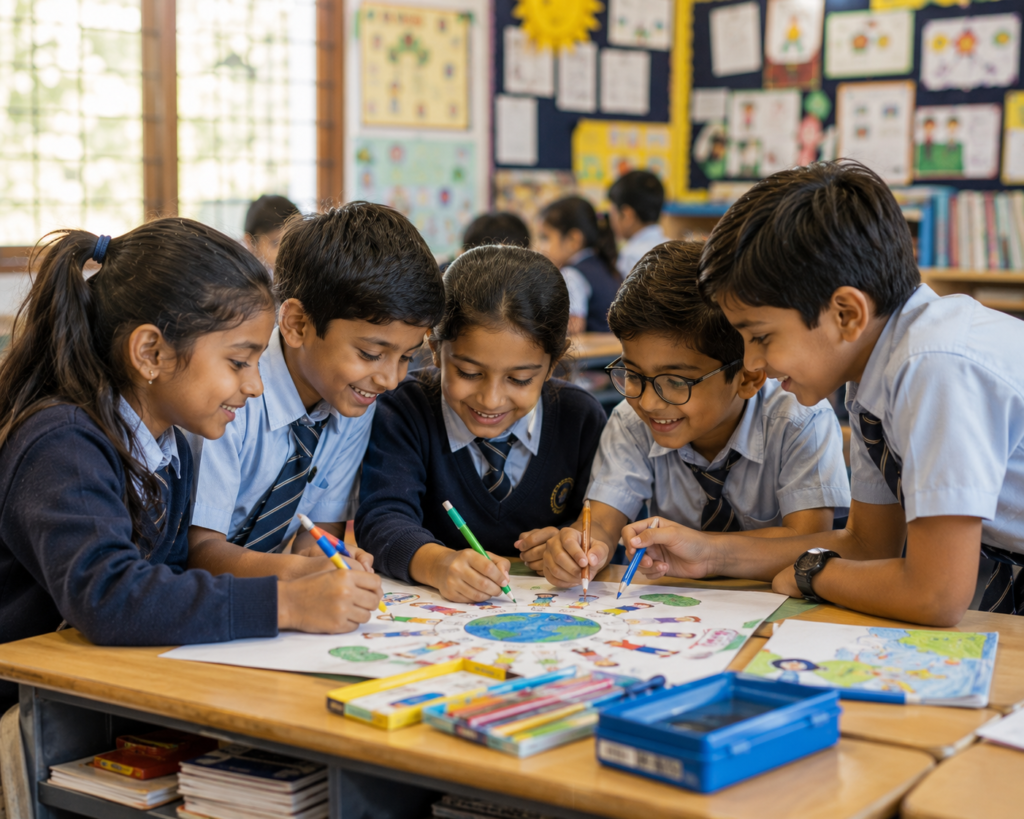
Children experience a wide range of emotions every day, from happiness and excitement to frustration, sadness, fear, and disappointment. Learning how to recognize, understand, and manage these emotions is an important part of healthy development. This ability, commonly known as emotional intelligence, influences how children communicate, solve problems, build relationships, and respond to life’s challenges. Developing these skills early can support emotional well-being well into adulthood.
In today’s fast-paced world, children often face academic pressure, social expectations, digital distractions, and changing family dynamics. These experiences can sometimes make it difficult for them to express their feelings in healthy ways. Parents, caregivers, and educators play an essential role in helping children develop emotional awareness, resilience, and empathy from an early age.
Building Emotional Intelligence in Kids is not about preventing negative emotions or encouraging children to stay happy all the time. Instead, it focuses on helping them understand that every emotion is valid and teaching them appropriate ways to express and manage those feelings. Children who develop emotional intelligence are often better equipped to navigate friendships, cope with setbacks, resolve conflicts, and make thoughtful decisions.
Emotional intelligence includes several important skills, such as recognizing emotions, managing emotional responses, understanding the feelings of others, communicating effectively, and developing empathy. These abilities contribute to stronger relationships, improved self-confidence, better classroom behavior, and healthier mental well-being.
Parents sometimes assume emotional skills develop naturally without guidance. While children are born with different temperaments, emotional intelligence grows through everyday experiences, supportive relationships, and positive role modeling. Simple daily interactions such as listening without judgment, discussing emotions openly, and encouraging problem-solving help children strengthen these lifelong abilities.
Another important aspect of Building Emotional Intelligence in Kids is teaching resilience. Children will inevitably experience disappointment, failure, conflict, and change. Rather than protecting them from every difficult situation, adults can help them develop healthy coping strategies that encourage confidence and emotional flexibility.
The following sections explain what emotional intelligence is, why it matters, common signs of emotional challenges, and the factors that influence emotional development in children.
Table of Contents
What is Building Emotional Intelligence in Kids
Building Emotional Intelligence in Kids refers to the ongoing process of helping children recognize, understand, express, and manage their emotions while developing empathy, self-awareness, healthy communication, and positive social skills.
Emotional intelligence involves helping children learn to:
- Identify different emotions
- Express feelings appropriately
- Understand other people’s emotions
- Develop empathy
- Manage frustration and anger
- Build healthy friendships
- Solve problems calmly
- Handle disappointment
- Make thoughtful decisions
- Develop self-confidence
These skills are learned gradually through supportive relationships, consistent guidance, and everyday experiences.
Why is it Important
Building Emotional Intelligence in Kids supports healthy emotional, social, and cognitive development.
Children who understand and manage their emotions are often better able to communicate effectively, resolve conflicts peacefully, adapt to challenges, and maintain positive relationships with family members, teachers, and peers. Emotional intelligence also contributes to self-confidence, resilience, responsible decision-making, and overall mental well-being.
Developing these skills during childhood provides a strong foundation for lifelong emotional health and interpersonal success.

Common Signs That a Child May Need More Emotional Support
Difficulty Identifying Emotions
Children may struggle to describe what they are feeling or confuse different emotions.
Frequent Emotional Outbursts
Intense anger, frustration, or crying may indicate challenges with emotional regulation.
Difficulty Managing Disappointment
Small setbacks may lead to overwhelming reactions or prolonged distress.
Trouble Making Friends
Poor emotional awareness can affect communication, cooperation, and social relationships.
Low Self-Confidence
Children may doubt their abilities or become discouraged easily after making mistakes.
Limited Empathy
Some children find it difficult to recognize or understand how others feel.
Difficulty Resolving Conflicts
Arguments with siblings, classmates, or friends may occur frequently when problem-solving skills are limited.
Avoiding Emotional Conversations
Children may withdraw, remain silent, or avoid discussing their feelings when experiencing emotional discomfort.
Common Factors That Influence Emotional Development
Parenting Style
Supportive, responsive parenting encourages emotional security and healthy emotional expression.
Family Environment
Positive family relationships provide children with opportunities to observe healthy communication and emotional regulation.
School Experiences
Teachers, classmates, and classroom environments influence children’s emotional learning and social development.
Peer Relationships
Friendships help children develop empathy, cooperation, communication, and conflict-resolution skills.
Major Life Changes
Moving, parental separation, illness, grief, or changes in family structure may affect emotional well-being.
Temperament
Every child has a unique personality and natural emotional style, influencing how they respond to different situations.
Media and Technology
Digital content and screen time can influence emotional awareness, social interactions, and communication habits.
Stressful Experiences
Academic pressure, bullying, or family stress may affect children’s emotional regulation and coping abilities.
12 Benefits of Building Emotional Intelligence in Kids
1. Improves Self-Awareness
One of the greatest benefits of Building Emotional Intelligence in Kids is helping children recognize and understand their own emotions. Self-awareness enables them to identify what they are feeling and respond thoughtfully instead of reacting impulsively.
2. Strengthens Communication Skills
Emotionally intelligent children learn to express their thoughts and feelings clearly and respectfully. Better communication reduces misunderstandings and helps them build stronger relationships with family members, teachers, and friends.
3. Develops Healthy Friendships
Children with emotional intelligence are more likely to cooperate, share, resolve disagreements peacefully, and show kindness. These qualities contribute to meaningful and lasting friendships.
4. Encourages Empathy
Understanding how others feel is an essential life skill. Building Emotional Intelligence in Kids helps children appreciate different perspectives, respond with compassion, and develop positive social relationships.
5. Improves Emotional Regulation
Children learn healthy ways to manage frustration, disappointment, excitement, and anger. Emotional regulation reduces impulsive behavior and supports calmer responses during challenging situations.
6. Builds Resilience
Emotionally intelligent children are often better equipped to recover from setbacks, adapt to change, and approach difficulties with confidence rather than giving up easily.
7. Supports Better Decision-Making
Recognizing emotions helps children pause, think through situations, and make thoughtful choices instead of acting based on temporary feelings.
8. Reduces Conflict
Children who understand emotions communicate more effectively and are better able to resolve disagreements peacefully with siblings, classmates, and peers.
9. Promotes Academic Success
Strong emotional skills support concentration, classroom participation, teamwork, and positive relationships with teachers, all of which contribute to better learning experiences.
10. Enhances Self-Confidence
As children learn to understand and manage their emotions, they often become more confident in handling challenges, expressing themselves, and trying new experiences.
11. Supports Positive Mental Well-being
Healthy emotional skills contribute to reduced stress, better coping abilities, and greater emotional balance. While emotional intelligence is not a substitute for professional mental health care, it supports overall psychological well-being.
12. Prepares Children for Adulthood
The skills developed through Building Emotional Intelligence in Kids continue to benefit individuals throughout life by supporting healthy relationships, workplace communication, leadership, and responsible decision-making.
How Emotional Intelligence Develops
Emotional intelligence grows gradually through everyday experiences, supportive relationships, and consistent guidance from adults.
Recognizing Emotions
Children first learn to identify basic emotions such as happiness, sadness, anger, fear, and surprise before understanding more complex feelings.
Naming Feelings
Encouraging children to describe their emotions helps expand their emotional vocabulary and improves self-awareness.
Understanding Emotional Triggers
Parents and caregivers can help children recognize situations that trigger different emotions and discuss healthy ways to respond.
Learning Coping Skills
Children develop emotional regulation by practicing calming strategies such as deep breathing, taking breaks, or talking about their feelings.
Practicing Empathy
Everyday interactions provide opportunities to consider how others may feel and respond with kindness and understanding.
Consistent Reinforcement
Emotional intelligence strengthens when adults consistently model healthy communication, patience, respect, and emotional regulation.
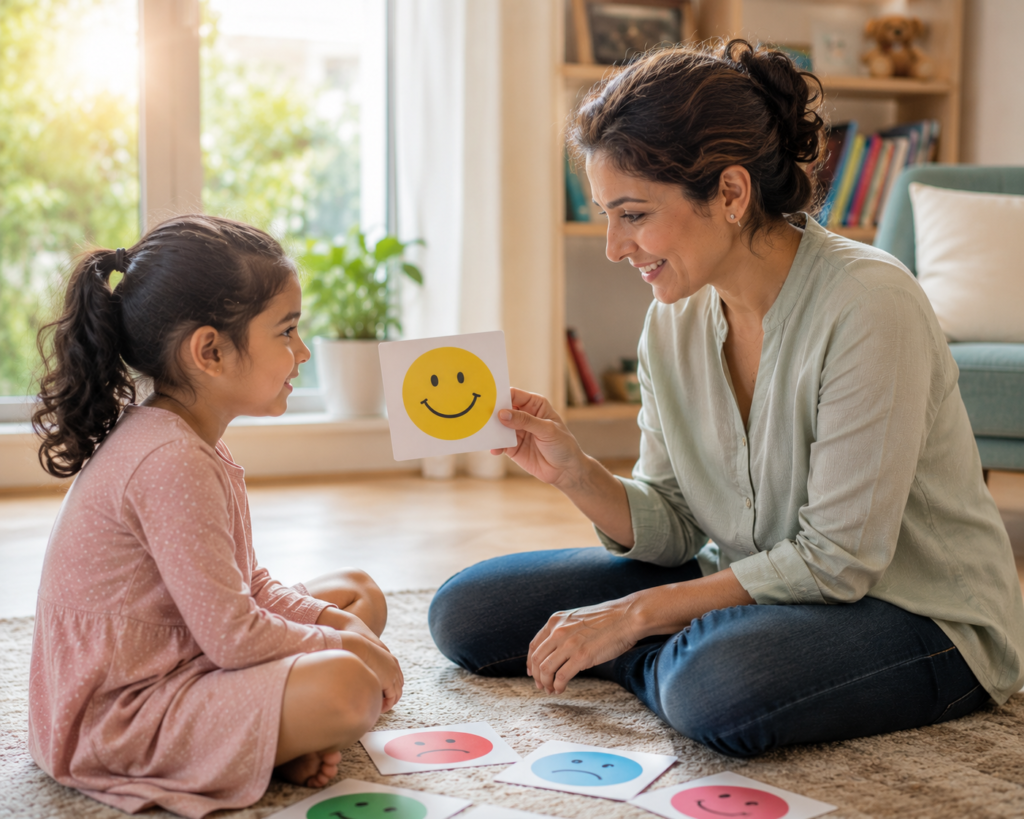
Practical Strategies for Building Emotional Intelligence in Kids
Encourage Open Conversations
Create a safe environment where children feel comfortable discussing both positive and difficult emotions without fear of judgment.
Teach Emotional Vocabulary
Help children learn words that describe different feelings so they can communicate more accurately.
Model Healthy Emotional Expression
Children learn by observing adults. Demonstrating calm communication and respectful problem-solving provides valuable examples.
Validate Their Feelings
Acknowledge your child’s emotions even if you do not agree with their behavior. Validation helps children feel understood while learning appropriate responses.
Practice Active Listening
Give children your full attention when they speak, allowing them to feel heard and respected.
Read Stories Together
Books often introduce characters experiencing different emotions, providing opportunities to discuss empathy, problem-solving, and emotional responses.
Encourage Problem-Solving
Instead of immediately providing solutions, guide children in thinking through different ways to handle challenging situations.
Reinforce Positive Behaviors
Recognize acts of kindness, patience, honesty, cooperation, and empathy to encourage continued emotional growth.
Daily Habits That Support Emotional Intelligence
Developing emotional intelligence happens through small, consistent actions every day.
Talk About Feelings Daily
Ask children how they felt during different parts of their day and encourage open conversations about emotions.
Spend Quality Time Together
Regular one-on-one time strengthens trust and creates opportunities for meaningful conversations.
Encourage Gratitude
Discussing positive experiences and expressing appreciation helps children develop optimism and emotional balance.
Teach Healthy Coping Strategies
Practice relaxation techniques, mindfulness, journaling, drawing, or physical activity to help children manage difficult emotions.
Create Predictable Routines
Consistent daily routines provide children with a sense of security, making emotional regulation easier.
Limit Excessive Screen Time
Encouraging face-to-face interactions and active play supports communication, empathy, and social development.
Celebrate Effort Rather Than Perfection
Praise persistence, learning, and problem-solving instead of focusing only on achievements. This builds resilience and confidence.
Maintain Open Communication
Continue discussing emotions as children grow. Building Emotional Intelligence in Kids is an ongoing process that evolves with each stage of development.

Common Myths About Building Emotional Intelligence in Kids
Myth 1: Emotional intelligence is something children are born with.
Fact: While every child has a unique temperament, emotional intelligence is a skill that develops over time through supportive relationships, guidance, and everyday experiences.
Myth 2: Emotionally intelligent children never get angry or upset.
Fact: All children experience difficult emotions. Building Emotional Intelligence in Kids focuses on helping them recognize, express, and manage those emotions in healthy and respectful ways.
Myth 3: Talking about emotions makes children emotionally weak.
Fact: Encouraging children to discuss their feelings helps them develop confidence, self-awareness, and healthy coping strategies. Open communication strengthens emotional resilience rather than reducing it.
Myth 4: Academic success is more important than emotional development.
Fact: Emotional intelligence and academic learning complement each other. Children with strong emotional skills often communicate better, work effectively with others, and manage classroom challenges more successfully.
Myth 5: Only parents are responsible for emotional development.
Fact: Parents play a vital role, but teachers, caregivers, family members, coaches, and peers also contribute significantly to Building Emotional Intelligence in Kids through positive interactions and role modeling.
Frequently Asked Questions
1. Why is Building Emotional Intelligence in Kids important?
Building Emotional Intelligence in Kids helps children understand their emotions, communicate effectively, build healthy relationships, manage stress, solve problems, and develop resilience. These skills support emotional well-being throughout childhood and adulthood.
2. At what age should emotional intelligence be taught?
Emotional development begins in early childhood. Parents and caregivers can start by naming emotions, modeling healthy behavior, and encouraging age-appropriate conversations about feelings from the toddler years onward.
3. How can parents build emotional intelligence at home?
Parents can encourage open communication, listen without judgment, validate emotions, model respectful behavior, read stories about feelings, teach problem-solving, and create opportunities for children to practice empathy in everyday situations.
4. Can schools help in Building Emotional Intelligence in Kids?
Yes. Schools contribute by encouraging teamwork, respectful communication, conflict resolution, emotional awareness, and social-emotional learning activities. Positive classroom environments reinforce the emotional skills children learn at home.
5. Does emotional intelligence improve academic performance?
Emotional intelligence supports learning by improving concentration, self-control, cooperation, resilience, and classroom participation. While it does not guarantee academic success, it creates a strong foundation for effective learning.
6. When should parents seek professional guidance?
If a child consistently experiences severe emotional distress, persistent behavioral challenges, significant difficulty managing emotions, or problems affecting daily functioning, consulting a qualified child psychologist, pediatrician, or mental health professional can provide appropriate guidance and support.
Final Thoughts
Building Emotional Intelligence in Kids is a lifelong journey that begins with everyday conversations, supportive relationships, and positive role modeling. By teaching children to recognize, understand, and manage their emotions while showing empathy toward others, parents and caregivers equip them with valuable life skills that extend far beyond childhood.
Conclusion
Building Emotional Intelligence in Kids is one of the most valuable investments parents, caregivers, and educators can make in a child’s future. Emotional intelligence is not about avoiding difficult emotions but about helping children understand, express, and manage them in healthy and constructive ways. These skills strengthen relationships, improve communication, encourage empathy, and help children navigate challenges with greater confidence.
Developing emotional intelligence requires patience, consistency, and everyday practice. Simple actions such as listening carefully, validating feelings, encouraging problem-solving, and modeling respectful behavior create meaningful learning opportunities. Over time, these experiences help children build resilience, self-awareness, emotional regulation, and positive social skills.
Every child develops at their own pace, and emotional growth is an ongoing process rather than a destination. Families and schools working together can create supportive environments where children feel safe to express themselves, learn from mistakes, and develop healthy coping strategies.
By prioritizing Building Emotional Intelligence in Kids, adults help prepare children for success not only in school but also in friendships, future careers, family relationships, and personal well-being. These lifelong emotional skills enable children to grow into compassionate, confident, and emotionally resilient adults.
Contact Information

Amitabh Psychology
S-30, Kris Korner Commercial Plaza, Anand Nagar, Thane West, Thane, Maharashtra 400615
Phone: +91 9136092759
App: https://clpbarney.page.link/q179
YouTube: https://www.youtube.com/amitabhpsychology
Facebook: https://www.facebook.com/Amitabh-Psychology-104335605524034
LinkedIn: https://www.linkedin.com/in/amitabh.s.karmakar
Instagram: https://www.instagram.com/amitabhpsychology/
Take the first step toward a brighter future today with expert Career Counselling in Thane from Dr. Amitabh.