
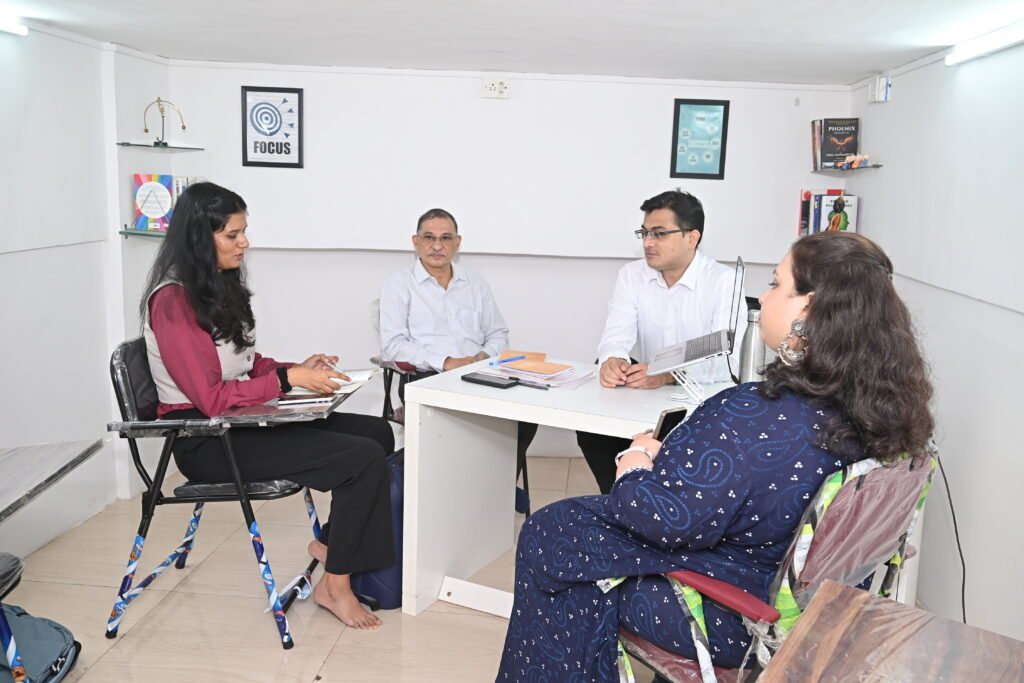
Life can bring emotional challenges that are difficult to manage alone. Work pressure, family responsibilities, relationship conflicts, financial concerns, and major life changes can affect how people think, feel, and interact with others. When these difficulties begin affecting everyday life, speaking with a Counsellor in Thane may provide a supportive space to understand emotions, explore concerns, and develop healthier ways of coping.
Counselling is a professional process in which a trained mental health professional helps individuals explore their thoughts, feelings, behaviour, and personal circumstances. It does not require someone to be experiencing a serious mental health condition. People may seek guidance when they feel overwhelmed, struggle with communication, face uncertainty about the future, or simply want to understand themselves better.
This guide explains when counselling may be useful, how to find suitable support in Thane, and what to consider before beginning your first session.
Table of Contents
What Does a Counsellor in Thane Help With?
A counsellor helps people understand personal difficulties, recognise emotional patterns, and develop practical strategies for managing challenges. The focus depends on the individual’s circumstances, goals, and the professional’s training.
Counselling may address concerns such as:
- Stress related to work, education, or family responsibilities.
- Relationship difficulties and communication problems.
- Anxiety, persistent worry, or emotional overwhelm.
- Low confidence, self-doubt, and difficulties with decision-making.
- Grief, separation, or other significant life changes.
- Parenting concerns and family disagreements.
- Career uncertainty and adjustment to new responsibilities.
- Difficulty establishing boundaries or managing emotions.
Counselling is not about telling someone how to live their life. Instead, it creates an opportunity to examine different perspectives, understand what may be contributing to a problem, and identify realistic next steps.

Common Reasons People Seek Counselling
People begin counselling for many reasons. Some arrive with a specific concern, while others know they are struggling but cannot easily explain why. Recognising common situations can help you decide whether professional support may be appropriate.
Managing Stress and Emotional Overwhelm
Stress can build gradually when responsibilities exceed the time, energy, or resources available to manage them. A demanding job, family expectations, financial uncertainty, and insufficient rest can leave a person feeling exhausted or irritable.
Counselling may help individuals identify their main sources of stress, recognise unhelpful thinking patterns, and develop coping strategies. These might include prioritising responsibilities, communicating needs, setting boundaries, or making time for restorative activities.
If stress is affecting everyday functioning, it can be useful to seek support before the situation becomes harder to manage.
Understanding Anxiety and Persistent Worry
Some people spend considerable time worrying about future events, making mistakes, disappointing others, or losing control of a situation. Repeated worry can make decisions difficult and interfere with concentration or sleep.
A professional can help explore the situations that trigger these feelings and discuss techniques for responding to them. Depending on the person’s needs, support may involve practical coping strategies, structured psychological approaches, or referral for further assessment.
A counsellor should not dismiss concerns or promise to eliminate anxiety immediately. Progress varies, and the approach should be appropriate to the individual’s circumstances.
Building Confidence and Self-Esteem
Low confidence may influence relationships, career decisions, social interactions, and the ability to express personal needs. Someone may constantly compare themselves with others or avoid opportunities because they fear criticism.
Counselling can provide a space to examine these beliefs and consider whether they accurately reflect the person’s abilities and experiences. Over time, clients may practise self-compassion, assertive communication, and more balanced self-evaluation.
The aim is not to remove every doubt but to help individuals make decisions without allowing fear or self-criticism to control every choice.
Relationship and Family Counselling in Thane
Relationships can become difficult when people struggle to communicate, manage expectations, or resolve disagreements. Family members and partners may care about each other but repeatedly become caught in the same arguments.
Relationship counselling can help participants understand recurring patterns, express concerns more clearly, and explore practical ways to address conflict. Depending on the situation, sessions may involve an individual, a couple, or family members.
Communication Difficulties Between Partners
Consider a couple who repeatedly argue because one partner feels ignored while the other feels criticised. Each person may focus on defending themselves rather than understanding the concern behind the disagreement.
Counselling can help them slow down these interactions, identify what each person is trying to communicate, and practise listening without immediately interrupting or becoming defensive.
The objective is not to decide automatically who is right. It is to understand the problem, clarify expectations, and determine whether both partners are willing to work towards healthier communication.
Family Pressure and Conflicting Expectations
Family disagreements may involve finances, marriage decisions, parenting, household responsibilities, or differences between generations. When expectations remain unspoken, misunderstandings can become repeated sources of tension.
A counsellor may help individuals identify their priorities, communicate respectfully, and establish boundaries that reflect their circumstances. Family counselling may also help participants understand how different perspectives influence a disagreement.
However, joint sessions are not suitable for every situation. Where abuse, intimidation, or coercive control is present, safety should come first, and individual professional support may be more appropriate.

How to Find the Right Counsellor in Thane
Choosing a suitable professional involves more than searching online and selecting the first available appointment. The counsellor’s qualifications, experience, approach, and suitability for your concerns should all be considered.
1. Check Qualifications and Relevant Training
Review the professional’s educational background, training, and experience in the area for which you need help. Counselling, clinical psychology, psychiatry, and other mental health services involve different roles and qualifications.
If you need support for a particular concern, ask whether the professional has relevant experience working with similar issues. Where a specific clinical assessment or treatment is required, confirm that the provider is appropriately qualified to offer it.
Do not assume that every person advertising emotional wellness services has the same level of training or professional scope.
2. Consider the Counselling Approach
Different professionals may use different approaches depending on their training and the client’s goals. Some sessions focus on understanding emotions and life experiences, while others may use structured techniques to address thought patterns, behaviour, or practical problems.
Counsellor in Thane, You can ask the counsellor to explain their general approach and how they decide which strategies to use. A suitable professional should be willing to answer reasonable questions in clear language.
You do not need to understand every psychological term before starting. What matters is that the process is understandable, collaborative, and appropriate for your needs.
3. Evaluate Communication and Comfort
Counsellor in Thane, It is important to feel able to discuss concerns without being shamed or dismissed. A counsellor should listen respectfully, avoid making unsupported promises, and explain professional boundaries.
During an initial consultation, consider whether you feel heard and whether the professional explains the process clearly. Feeling comfortable may take time, but repeated pressure, disrespect, or unclear boundaries should not be ignored.
You can discuss concerns about the working relationship directly or consider another professional if the fit does not feel right.
4. Ask About Session Structure and Fees
Before booking, clarify the session duration, fee, cancellation policy, payment arrangements, and whether follow-up sessions are recommended. Ask whether the first appointment includes an assessment and how goals will be discussed.
Counsellor in Thane, There is no universal number of sessions that suits everyone. The duration of counselling depends on the concerns involved, the approach used, available resources, and progress towards agreed goals.
Clear expectations can help you decide whether the service is practical and financially manageable.
What Happens During a Counselling Session?
Starting counselling can feel unfamiliar, particularly if you have never discussed personal concerns with a professional. Knowing what to expect may reduce uncertainty and help you prepare.
The First Session
The first appointment often involves discussing why you sought support, what has been happening, and how the issue affects daily life. The counsellor may ask about relevant personal circumstances, previous coping strategies, and what you hope to achieve.
Counsellor in Thane, You do not have to explain everything perfectly or share details before you feel ready. It is reasonable to ask why a question is being asked and how the information will be used.
Setting Goals Together
After understanding the main concerns, the counsellor and client may agree on goals. These could include communicating more effectively, managing stress, understanding emotional triggers, or making a difficult decision.
Specific goals can make the process easier to evaluate. For example, rather than aiming to eliminate every stressful feeling, a client might work towards recognising early signs of stress and responding more constructively.
Goals can change as new information emerges. Counselling should remain responsive to the person’s needs rather than follow a rigid plan that no longer fits.
Reviewing Progress
During later sessions, the counsellor may discuss what has improved, which strategies have been useful, and what remains difficult. Clients can share feedback and ask for clarification when an approach does not feel helpful.
Progress is not always linear. A person may find some situations easier to manage while continuing to struggle with others. Reviewing progress honestly allows the professional and client to adjust the plan where necessary.

Online vs. In-Person Counselling in Thane
When choosing a Counsellor in Thane, consider whether online or face-to-face sessions better suit your circumstances. Both formats may be appropriate, depending on the type of support needed, the professional’s services, and your personal preferences.
In-Person Counselling
Face-to-face appointments may suit people who prefer a dedicated space away from home or work. Meeting in person can also make it easier for some clients to establish a routine around appointments.
Counsellor in Thane, Thane covers a variety of residential and commercial areas, so convenience may depend on where you live or work. Check the actual location and travel requirements before committing to regular visits.
Online Counselling
Online sessions can offer greater flexibility for people with busy schedules, mobility limitations, or difficulty travelling. They may also make it easier to attend appointments from home.
Counsellor in Thane, Online counselling is not suitable for every concern or emergency. A professional should discuss whether remote sessions are appropriate and explain what to do if more immediate or specialised support becomes necessary.
Practical Ways to Support Your Emotional Wellbeing
Counselling can be complemented by everyday habits that support emotional awareness and healthier routines. These practices are not substitutes for professional care when it is needed, but they may help you manage ordinary challenges.
Recognise Emotional Triggers
Notice the situations in which you become unusually anxious, frustrated, withdrawn, or overwhelmed. Instead of judging yourself, record what happened, what you felt, and how you responded.
Counsellor in Thane, This information can help you discuss specific situations during counselling rather than relying only on general descriptions.
Practise Clear Communication
Counsellor in Thane, Use direct, respectful language when expressing a concern. Statements such as “I feel overwhelmed when plans change without discussion” can explain an experience more constructively than personal attacks.
Try listening to the other person before preparing a response. If a conversation becomes too intense, agree to pause and return to it when both people can speak more calmly, provided doing so is safe.
Maintain Supportive Routines
Counsellor in Thane, Regular sleep, physical activity appropriate to your abilities, balanced meals, meaningful social contact, and planned breaks can contribute to general wellbeing. These habits may be difficult to maintain during stressful periods, so begin with realistic changes.
If emotional difficulties persist despite these efforts, consider discussing them with a qualified professional rather than assuming you should be able to resolve everything alone.
When Should You Seek Professional Help?
You do not need to wait until a problem becomes unbearable before looking for support. Counselling may be worth considering when emotional difficulties continue, return frequently, or interfere with relationships, work, education, sleep, or daily responsibilities.
Counsellor in Thane, Other reasons to seek help include feeling stuck after a major life change, struggling to manage conflict, withdrawing from people, or finding that familiar coping strategies no longer work.

Frequently Asked Questions
1. How do I choose a suitable Counsellor in Thane?
Check the professional’s qualifications, relevant experience, counselling approach, confidentiality practices, fees, and appointment availability. Ask whether they have experience with your particular concern. An initial conversation can help you decide whether their approach feels appropriate and respectful.
2. Can counselling help with everyday stress?
Yes, counselling may help people understand sources of stress, recognise unhelpful patterns, and develop coping strategies. The approach depends on the person’s circumstances. Persistent or severe symptoms may require further assessment by a qualified mental health professional.
3. Is online counselling as suitable as in-person counselling?
Online counselling can be suitable for many concerns when privacy, technology, and the professional’s service arrangements are appropriate. In-person sessions may be preferable for some people or situations. Discuss your needs with the professional before deciding on a format.
4. What should I discuss during my first session?
You can explain what prompted you to seek support, how the concern affects your daily life, and what you hope to change. You may also ask about the counsellor’s approach, confidentiality, session structure, fees, and how progress will be reviewed.
5. How many counselling sessions will I need?
There is no fixed number that applies to everyone. Some people seek short-term support for a specific concern, while others benefit from a longer process. The likely duration depends on your goals, circumstances, and progress, and should be discussed with your counsellor.
Conclusion
Finding a suitable Counsellor in Thane can be a meaningful step towards understanding emotional challenges, improving communication, and developing practical coping skills. Whether you are dealing with stress, relationship difficulties, low confidence, family pressure, or an important life transition, professional support may help you explore your circumstances with greater clarity.
Take time to check qualifications, relevant experience, confidentiality arrangements, session formats, and fees before making a decision. Think about the concerns you want to discuss, the changes you hope to make, and whether online or in-person appointments fit your routine.
Contact Information

Amitabh Psychology
S-30, Kris Korner Commercial Plaza, Anand Nagar, Thane West, Thane, Maharashtra 400615
Phone: +91 9136092759
App: https://clpbarney.page.link/q179
YouTube: https://www.youtube.com/amitabhpsychology
Facebook: https://www.facebook.com/Amitabh-Psychology-104335605524034
LinkedIn: https://www.linkedin.com/in/amitabh.s.karmakar
Instagram: https://www.instagram.com/amitabhpsychology/
Take the first step toward a brighter future today with expert Career Counselling in Thane from Dr. Amitabh.