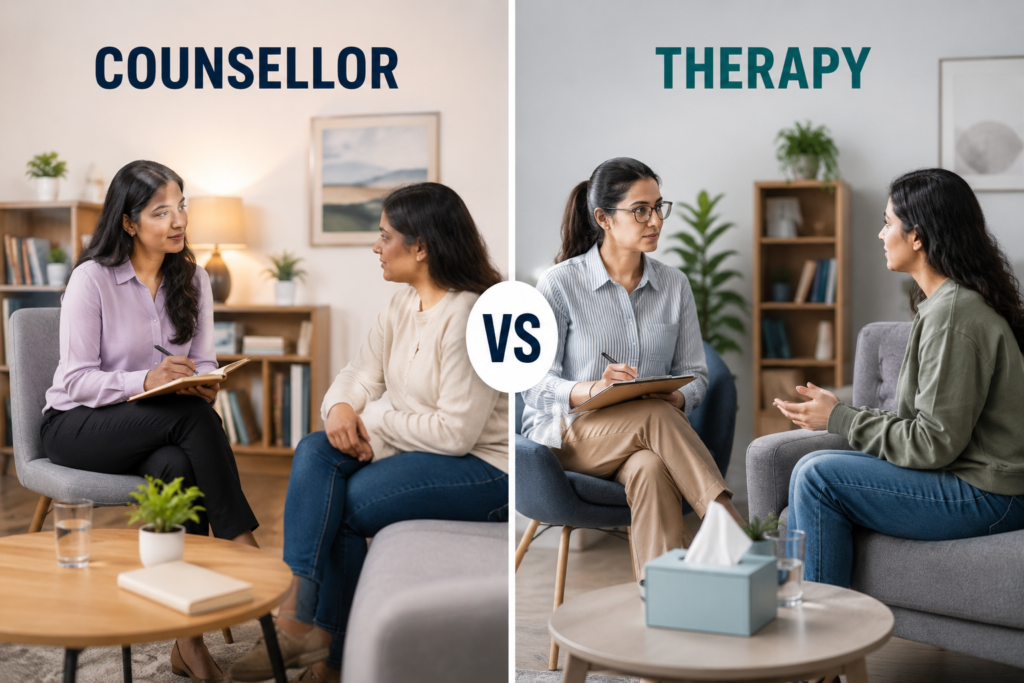
When people face emotional struggles, relationship challenges, stress, anxiety, or major life changes, they often hear the terms therapy and counselling. Many assume they mean exactly the same thing, while others believe one is only for serious mental health conditions and the other is for everyday problems. The truth lies somewhere in between.
Understanding Therapy vs Counselling can help you make informed decisions about your mental and emotional well-being. Although both aim to improve mental health and emotional resilience, they differ in their goals, duration, approach, and the types of concerns they typically address. Knowing these differences can prevent confusion when seeking professional support.
Understanding Therapy vs Counselling helps individuals choose support that aligns with their emotional needs and personal goals. While both encourage healthier coping strategies, selecting the appropriate approach can improve confidence, emotional resilience, and overall well-being. Professional guidance should always be tailored to each person’s unique circumstances.
Many people delay seeking help because they misunderstand Therapy vs Counselling. Learning the differences allows individuals to access appropriate support earlier, potentially reducing stress and improving emotional health. Speaking with a qualified professional can clarify which option best matches current challenges and long-term wellness goals.
In this guide, we’ll explore Therapy vs Counselling in detail, including what each involves, their similarities, major differences, benefits, common myths, and practical tips for choosing the right option. By the end, you’ll have a clearer understanding of which approach may best suit your needs.
Table of Contents
What is Therapy vs Counselling?
What is Counselling?
Counselling is generally a short-term, goal-oriented process that helps individuals manage specific problems or life situations. It focuses on practical solutions, coping strategies, and emotional support for current challenges.
Counselling commonly addresses:
- Relationship conflicts
- Work stress
- Academic pressure
- Family issues
- Grief
- Career decisions
- Life transitions
What is Therapy?
Therapy, often called psychotherapy, is usually a longer-term process that explores emotional patterns, behaviors, beliefs, and underlying psychological issues. It aims to create lasting emotional and behavioral change.
Therapy may help with:
- Anxiety disorders
- Depression
- Trauma
- PTSD
- Personality disorders
- Chronic emotional difficulties
- Long-standing relationship patterns
While both provide professional support, the key distinction in Therapy vs Counselling lies in the depth of exploration and treatment approach.
Exploring Therapy vs Counselling also encourages open conversations about mental health within families, workplaces, and communities. Greater awareness reduces stigma, promotes empathy, and reminds people that seeking professional support is a proactive step toward building healthier relationships and stronger emotional resilience.
Choosing between Therapy vs Counselling depends on your personal experiences, goals, and emotional needs. A qualified mental health professional can recommend an approach that supports both immediate concerns and long-term psychological well-being.
Why is Therapy vs Counselling Important?
Understanding the difference helps individuals choose appropriate support based on their needs.
It is important because it can:
- Reduce confusion about mental health services.
- Encourage early professional intervention.
- Help set realistic expectations.
- Improve treatment outcomes.
- Support informed healthcare decisions.
- Promote emotional well-being.
- Reduce stigma around seeking help.
Knowing where your concerns fit within Therapy vs Counselling allows you to access the most suitable form of care sooner.
Common Reasons People Seek Professional Help

Emotional Stress
Persistent stress from work, family, or finances can become overwhelming.
Anxiety
Excessive worry, panic, or constant nervousness may require structured support.
Depression
Low mood, loss of motivation, or persistent sadness should never be ignored.
Relationship Problems
Communication difficulties, trust issues, or marital conflicts often benefit from professional guidance.
Trauma
Past emotional or physical trauma can affect current thoughts and behaviors.
Major Life Changes
Career changes, relocation, divorce, retirement, or becoming a parent may create emotional challenges.
Low Self-Esteem
Negative self-beliefs often affect confidence, relationships, and decision-making.
Grief and Loss
Losing a loved one or experiencing significant life changes may require compassionate support.
12 Clear Differences Between Therapy vs Counselling
Understanding Therapy vs Counselling becomes easier when you compare their purpose, approach, and expected outcomes. While both support mental well-being, each serves different needs. Here are 12 important differences.
1. Purpose
Counselling focuses on resolving specific, present-day concerns such as workplace stress, relationship conflicts, grief, or career decisions. Therapy explores deeper emotional patterns, unresolved experiences, and long-term psychological challenges that may influence thoughts, feelings, and behaviours over time.
2. Duration
Counselling is usually short term, often lasting a few weeks to several months depending on the issue. Therapy generally continues for a longer period because it involves exploring underlying emotional processes and developing lasting behavioural change.
3. Focus Area
A major distinction in Therapy vs Counselling is the focus. Counselling concentrates on current situations and practical solutions, while therapy examines past experiences, emotional history, and recurring behavioural patterns that may contribute to present difficulties.
4. Depth of Discussion
Counselling sessions typically stay centred on immediate concerns and achievable goals. Therapy often involves deeper self-exploration, helping individuals understand unconscious beliefs, emotional triggers, attachment styles, and long-standing coping mechanisms.
5. Types of Issues Addressed
Counselling is commonly chosen for:
- Workplace stress
- Relationship concerns
- Parenting challenges
- Academic pressure
- Life transitions
- Bereavement
Therapy is more commonly recommended for:
- Anxiety disorders
- Depression
- Trauma
- PTSD
- Obsessive-compulsive disorder
- Long-term emotional difficulties
6. Goal Setting
Counselling usually begins with clear, measurable goals that focus on solving a particular problem. Therapy may have broader objectives, including improving emotional awareness, strengthening resilience, and creating meaningful long-term personal growth.
7. Techniques Used
Counsellors often use problem-solving strategies, active listening, communication skills, and stress management techniques. Therapists may use evidence-based approaches such as Cognitive Behavioural Therapy (CBT), Dialectical Behaviour Therapy (DBT), psychodynamic therapy, acceptance-based therapies, or trauma-informed methods based on individual needs.
8. Relationship with the Professional
In counselling, the professional often acts as a guide who helps clients develop practical coping skills and make informed decisions. Therapy places greater emphasis on the therapeutic relationship itself, using trust and ongoing reflection as part of the healing process.
9. Emotional Exploration
Another key point in Therapy vs Counselling is emotional depth. Counselling supports healthy emotional expression while remaining focused on present concerns. Therapy often examines deeply rooted emotions, childhood experiences, and recurring interpersonal patterns to better understand current struggles.
10. Outcomes
Counselling aims to help individuals feel better equipped to manage a specific challenge and regain confidence in daily life. Therapy seeks broader emotional growth, increased self-awareness, healthier coping strategies, and sustainable changes in thinking and behaviour.
11. Suitable Candidates
Counselling may be ideal for individuals facing temporary challenges who need guidance and practical support. Therapy may be more appropriate for people experiencing persistent emotional distress, recurring mental health symptoms, or patterns that significantly affect daily functioning.
12. Flexibility
Both counselling and therapy can be delivered in person or online, individually, as couples, or in group settings. The format often depends on the individual’s goals, preferences, and the recommendations of the mental health professional.

How Therapy and Counselling Work
Although the approaches differ, both follow a structured process designed to support emotional well-being and personal growth.
Initial Assessment
The first few sessions usually involve discussing your concerns, personal history, current challenges, and expectations. This helps the professional understand your needs and recommend an appropriate plan.
Goal Planning
Together, you identify realistic objectives. In counselling, these goals are often specific and short term. In therapy, goals may evolve over time as deeper emotional patterns emerge.
Regular Sessions
Sessions typically last between 45 and 60 minutes. Depending on your needs, meetings may occur weekly, fortnightly, or at another agreed frequency.
Skill Development
Both approaches encourage learning practical skills such as:
- Healthy communication
- Emotional regulation
- Stress management
- Problem-solving
- Mindfulness
- Resilience building
Reviewing Progress
Progress is reviewed periodically. Goals may be adjusted, new coping strategies introduced, or sessions concluded when both you and the professional feel appropriate progress has been made.
Treatment Approaches Used in Therapy and Counselling
Different professionals may use different evidence-based approaches depending on the individual’s concerns.
Cognitive Behavioural Therapy (CBT)
CBT helps identify unhelpful thought patterns and replace them with healthier ways of thinking and behaving. It is commonly used for anxiety, depression, and stress-related concerns.
Person-Centred Counselling
This approach provides a supportive, non-judgmental environment where individuals can openly discuss their experiences and develop greater self-understanding.
Solution-Focused Brief Therapy
Rather than concentrating on problems, this approach helps individuals identify strengths, resources, and practical steps toward achieving specific goals.
Mindfulness-Based Approaches
Mindfulness techniques encourage awareness of the present moment and can help reduce stress, improve emotional regulation, and support overall mental well-being.
Psychodynamic Therapy
This approach explores how past experiences and unconscious emotional patterns influence present thoughts, feelings, and relationships.
The most suitable approach depends on your individual circumstances, preferences, and the assessment of a qualified mental health professional.
Daily Habits That Support Mental Well-Being

Whether you choose counselling, therapy, or both, healthy daily habits can complement professional support and improve overall emotional resilience.
Prioritise Quality Sleep
Aim for seven to nine hours of consistent sleep each night. Good sleep supports emotional regulation, concentration, and overall mental health.
Stay Physically Active
Regular exercise helps reduce stress hormones while boosting mood through the release of endorphins. Even a daily walk can make a positive difference.
Practice Mindfulness
Spend a few minutes each day focusing on your breathing or observing your thoughts without judgment. Mindfulness can improve emotional awareness and reduce stress.
Build Healthy Relationships
Maintain regular contact with supportive family members and friends. Strong social connections contribute to better emotional health and resilience.
Limit Digital Overload
Taking breaks from constant notifications and social media can reduce anxiety, improve focus, and create more space for meaningful real-life interactions.
Eat a Balanced Diet
Nutritious meals support both physical and mental health. Staying hydrated and limiting excessive caffeine or alcohol may also help maintain emotional balance.
Express Your Feelings
Writing in a journal, engaging in creative activities, or talking with someone you trust can help process emotions in a healthy and constructive way.
Know When to Seek Help
If emotional difficulties persist, interfere with daily life, or become increasingly difficult to manage, reaching out to a qualified mental health professional is an important step. Seeking support early can improve coping skills and overall well-being.
Common Myths About Therapy vs Counselling
Many misconceptions prevent people from seeking professional support. Understanding the facts behind Therapy vs Counselling can help reduce stigma and encourage informed decisions.
Myth 1: Therapy and counselling are exactly the same.
Fact:
Although they share similar goals of improving mental well-being, counselling usually focuses on specific, present-day concerns, while therapy often explores deeper emotional patterns and long-term psychological challenges.
Myth 2: Only people with severe mental illness need therapy.
Fact:
Therapy can benefit anyone dealing with stress, anxiety, relationship issues, trauma, personal growth, or life transitions. It is not limited to serious mental health conditions.
Myth 3: Counselling provides instant solutions.
Fact:
Counselling offers guidance, practical strategies, and emotional support, but meaningful change requires active participation, practice, and time.
Myth 4: Seeking professional help means you’re weak.
Fact:
Recognising when you need support is a sign of self-awareness and strength. Many people seek counselling or therapy to improve emotional resilience and overall well-being.
Myth 5: Therapy lasts forever.
Fact:
The duration varies based on individual needs. Some people benefit from a few months of therapy, while others choose longer-term support depending on their goals.
Myth 6: You must have a crisis to benefit.
Fact:
Professional support can also help with self-development, better communication, stress management, confidence building, and healthier relationships before problems become overwhelming.
Frequently Asked Questions
1. What is the main difference in Therapy vs Counselling?
Counselling generally focuses on current challenges and practical problem-solving, whereas therapy explores deeper emotional issues, behavioural patterns, and long-term psychological growth. The most suitable option depends on your individual concerns and goals.
2. Which is better: therapy or counselling?
Neither is universally better. Counselling may be appropriate for short-term concerns, while therapy may be more suitable for ongoing emotional difficulties or complex mental health conditions. A qualified mental health professional can help determine the best approach.
3. Can counselling lead to therapy?
Yes. Sometimes a counsellor may recommend therapy if deeper emotional patterns or more persistent psychological concerns become apparent during the counselling process.
4. How do I know if I need Therapy vs Counselling?
If you’re dealing with a specific life event or temporary challenge, counselling may be enough. If your emotional difficulties have been present for a long time, affect multiple areas of life, or keep recurring, therapy may provide more comprehensive support.
5. Are online therapy and counselling effective?
Research suggests that online therapy and counselling can be effective for many people, particularly when delivered by qualified professionals using evidence-based approaches. The right choice depends on your preferences, needs, and access to services.
6. Is everything discussed confidential?
In most cases, yes. Mental health professionals follow ethical and legal standards regarding confidentiality. However, there are limited situations—such as a serious risk of harm to yourself or others—where confidentiality may need to be broken in accordance with applicable laws and professional guidelines.
Final Thoughts
Choosing between counselling and therapy is not about selecting the “better” option but finding the type of support that matches your needs. Both approaches can improve emotional well-being, strengthen coping skills, and encourage healthier relationships when provided by qualified professionals. Understanding Therapy vs Counselling helps you make informed decisions and seek help with greater confidence whenever emotional challenges arise.
Conclusion
Understanding Therapy vs Counselling empowers you to choose the right form of support for your unique situation. While counselling often focuses on resolving present-day challenges through practical guidance, therapy typically explores deeper emotional experiences and long-term behavioural patterns. Both approaches are valuable and can contribute significantly to improved mental health, stronger relationships, and greater emotional resilience.
The right choice depends on factors such as the nature of your concerns, how long they have been affecting you, and your personal goals. There is no one-size-fits-all answer, and many individuals benefit from different forms of support at different stages of life. Seeking help early can make it easier to manage stress, develop healthier coping strategies, and build lasting emotional well-being.
Contact Information

Amitabh Psychology
S-30, Kris Korner Commercial Plaza, Anand Nagar, Thane West, Thane, Maharashtra 400615
Phone: +91 9136092759
App: https://clpbarney.page.link/q179
YouTube: https://www.youtube.com/amitabhpsychology
Facebook: https://www.facebook.com/Amitabh-Psychology-104335605524034
LinkedIn: https://www.linkedin.com/in/amitabh.s.karmakar
Instagram: https://www.instagram.com/amitabhpsychology/
Take the first step toward a brighter future today with expert Career Counselling in Thane from Dr. Amitabh.