
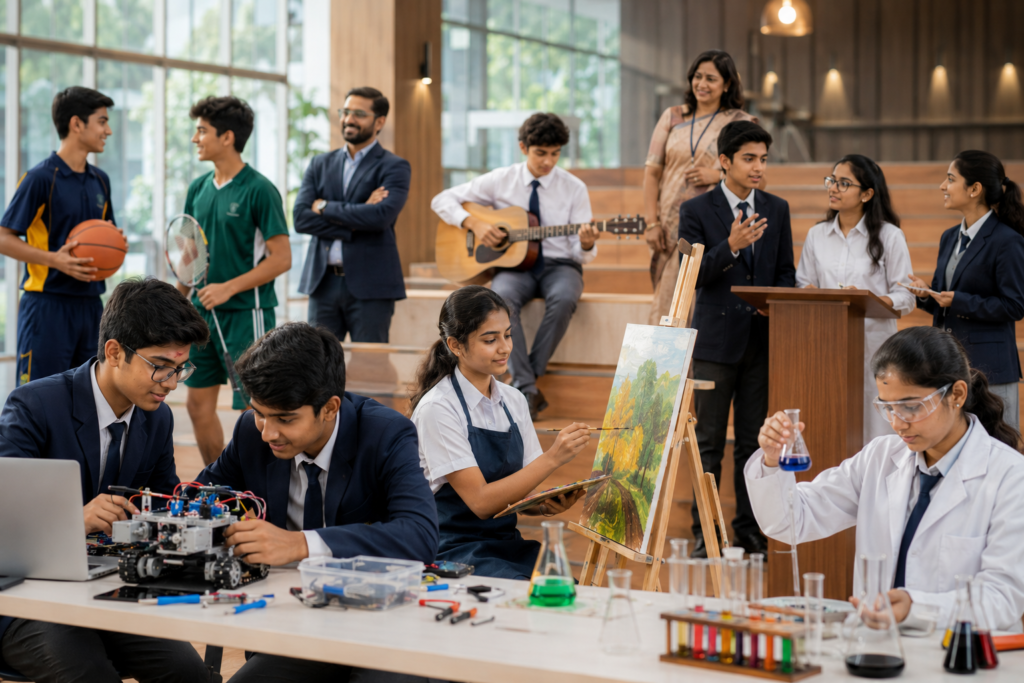
Parenting has never been a one-size-fits-all journey. Every child has a unique personality, learning style, and emotional needs, making it essential for parents to adapt their approach as children grow. In today’s fast-paced world, raising children comes with opportunities and challenges that previous generations rarely encountered. Technology, changing educational systems, busy work schedules, social media, and evolving family dynamics all influence how parents nurture and guide their children. This is why understanding Modern Parenting Techniques has become more important than ever.
Parents today often find themselves balancing multiple responsibilities. They strive to provide emotional support, encourage academic success, maintain discipline, and create meaningful family experiences while managing demanding careers and household responsibilities. Amid these pressures, it is easy to feel uncertain about whether parenting decisions are leading children in the right direction.
Unlike traditional parenting styles that often emphasized strict authority or complete freedom, modern parenting focuses on building trust, communication, emotional intelligence, and mutual respect. It encourages parents to understand the reasons behind a child’s behavior rather than simply reacting to it. This approach helps children develop confidence, responsibility, empathy, and healthy decision-making skills that extend into adulthood.
One of the biggest challenges faced by today’s families is managing digital technology. Smartphones, tablets, gaming platforms, and social media have become integral parts of children’s lives. While technology offers valuable educational opportunities, excessive screen time and online influences can also create concerns about mental health, attention span, and social development. Effective Modern Parenting Techniques help families establish healthy digital boundaries without creating unnecessary conflict.
Another significant aspect of parenting today is supporting children’s emotional well-being. Academic expectations, peer pressure, extracurricular activities, and constant exposure to online information can sometimes overwhelm young minds. Children benefit when parents create an environment where feelings are acknowledged, questions are welcomed, and mistakes become opportunities for learning rather than reasons for punishment.
Positive communication plays a central role in modern parenting. Children are more likely to cooperate when they feel respected and understood. Listening patiently, encouraging open conversations, and involving children in age-appropriate decisions strengthen trust between parents and children. These everyday interactions help build emotional security and resilience.
Modern parenting also recognizes that discipline should teach rather than intimidate. Instead of relying solely on punishment, parents can use logical consequences, clear expectations, and consistent boundaries to guide behavior. This encourages children to understand the impact of their actions while developing self-discipline and accountability.
Every family is different, and there is no perfect parenting method. Factors such as culture, family values, children’s personalities, and individual circumstances all influence parenting decisions. The goal is not perfection but continuous learning and adaptation. Parents who remain flexible, empathetic, and willing to grow alongside their children often build stronger family relationships.
Research in child development consistently highlights the importance of secure parent-child relationships. Children who experience warmth, consistency, and emotional support are more likely to develop confidence, healthy coping skills, and positive social relationships. Applying Modern Parenting Techniques helps create these supportive environments while preparing children for future challenges.
It is also important to remember that parents need self-care. Managing stress, maintaining healthy relationships, and seeking support when necessary allows parents to be more patient, emotionally available, and effective in their parenting role. Taking care of oneself ultimately benefits the entire family.
The following sections explore what Modern Parenting Techniques involve, why they matter, common parenting challenges, and practical strategies that families can use to raise emotionally healthy, responsible, and resilient children in today’s changing world.
Table of Contents
What is Modern Parenting Techniques?
Modern Parenting Techniques refer to evidence-informed approaches that focus on nurturing children’s emotional, social, intellectual, and physical development through respectful communication, positive discipline, consistency, and supportive relationships. Rather than relying primarily on fear or punishment, these techniques encourage guidance, understanding, and collaboration while maintaining appropriate boundaries.
Modern parenting commonly includes:
- Open and respectful communication
- Positive discipline strategies
- Emotional validation
- Consistent routines
- Healthy digital habits
- Age-appropriate independence
- Encouraging problem-solving
- Active listening
- Positive reinforcement
- Family teamwork
These techniques can be adapted to suit children of different ages and family circumstances while supporting healthy development.
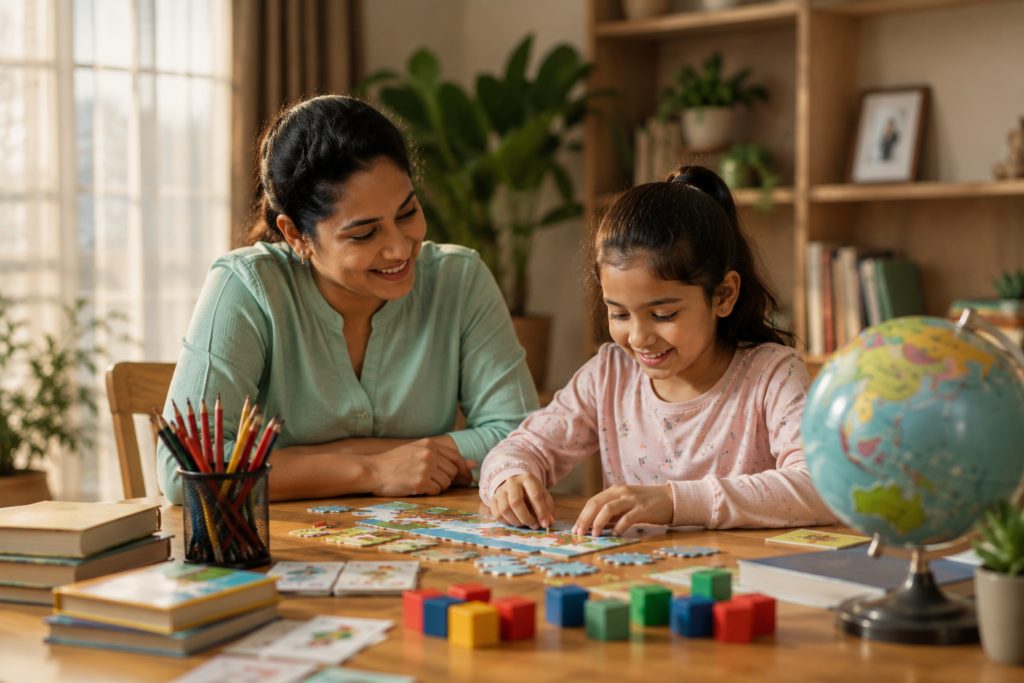
Common Parenting Challenges in Modern Families
Every family experiences obstacles, and recognizing them is the first step toward finding effective solutions.
Balancing Work and Family Time
Busy careers often reduce opportunities for meaningful interactions, making it important to prioritize quality family time.
Managing Screen Time
Children spend increasing amounts of time using digital devices for education and entertainment. Setting healthy limits helps maintain balance.
Academic Pressure
High expectations can create stress for both parents and children. Encouragement and realistic goals support healthier learning experiences.
Emotional Outbursts
Children may struggle to express frustration, disappointment, or anxiety. Patient communication helps them develop emotional regulation skills.
Peer Influence
As children grow, friendships and social acceptance become increasingly important. Parents can provide guidance while respecting independence.
Inconsistent Discipline
Different parenting approaches between caregivers may confuse children. Consistency helps establish clear expectations and boundaries.
Limited Family Communication
Busy schedules sometimes reduce opportunities for meaningful conversations. Regular family discussions strengthen relationships.
Parenting in the Digital Age
Online safety, social media, cyberbullying, and digital privacy require ongoing parental awareness and open communication with children.
Common Reasons Parents Explore Modern Parenting Techniques
Strengthening Parent-Child Relationships
Many parents want to build deeper emotional connections based on trust and mutual respect.
Encouraging Independence
Modern parenting supports children in making age-appropriate decisions while learning responsibility.
Improving Communication
Parents often seek practical ways to reduce conflicts and encourage honest conversations.
Supporting Emotional Well-Being
Helping children recognize and express emotions contributes to healthy mental and emotional development.
Preparing Children for the Future
Today’s world values adaptability, creativity, collaboration, and emotional intelligence alongside academic achievement. Modern parenting aims to nurture these lifelong skills.
12 Benefits of Modern Parenting Techniques
1. Builds Strong Parent-Child Relationships
One of the greatest advantages of Modern Parenting Techniques is the stronger emotional bond they create between parents and children. When children feel heard, respected, and supported, they are more likely to trust their parents and openly share their thoughts, concerns, and experiences.
2. Improves Communication Skills
Modern parenting encourages two-way communication instead of one-sided instructions. Parents learn to listen actively while children gain confidence in expressing their feelings respectfully. This open communication reduces misunderstandings and strengthens family relationships over time.
3. Encourages Emotional Intelligence
Helping children recognize, understand, and manage their emotions is an important part of healthy development. Modern Parenting Techniques teach children to express emotions appropriately, develop empathy for others, and respond thoughtfully rather than impulsively.
4. Promotes Positive Discipline
Instead of relying solely on punishment, modern parenting focuses on teaching appropriate behavior through logical consequences, consistent boundaries, and positive reinforcement. Children learn responsibility while maintaining a sense of security and self-worth.
5. Develops Independence and Confidence
Allowing children to make age-appropriate choices encourages problem-solving and decision-making skills. As they experience success and learn from mistakes, they develop greater confidence in their abilities.
6. Reduces Family Conflicts
Clear expectations, respectful communication, and consistent routines minimize unnecessary arguments. Parents and children become better equipped to resolve disagreements calmly and constructively.
7. Supports Better Mental Well-Being
A nurturing home environment contributes to emotional resilience and self-esteem. Children who feel accepted and understood are often better prepared to cope with stress, disappointment, and everyday challenges.
8. Encourages Responsible Technology Use
Technology is a major part of modern life. Modern Parenting Techniques help families establish healthy screen-time habits, promote online safety, and encourage a balanced lifestyle that includes learning, play, and face-to-face interactions.
9. Strengthens Social Skills
Children who experience respectful communication at home are more likely to develop kindness, cooperation, and effective interpersonal skills. These qualities help them build healthy friendships and work well with others.
10. Creates Consistent Family Values
Regular discussions about honesty, responsibility, respect, and kindness help children understand family expectations. Consistency reinforces positive behavior and strengthens family culture.
11. Encourages Lifelong Learning
Modern parenting values curiosity and continuous learning. Parents motivate children to ask questions, explore new interests, and view mistakes as opportunities for growth rather than failures.
12. Prepares Children for Future Challenges
Life requires adaptability, resilience, and critical thinking. By practicing Modern Parenting Techniques, parents equip children with valuable life skills that support success in education, relationships, and future careers.
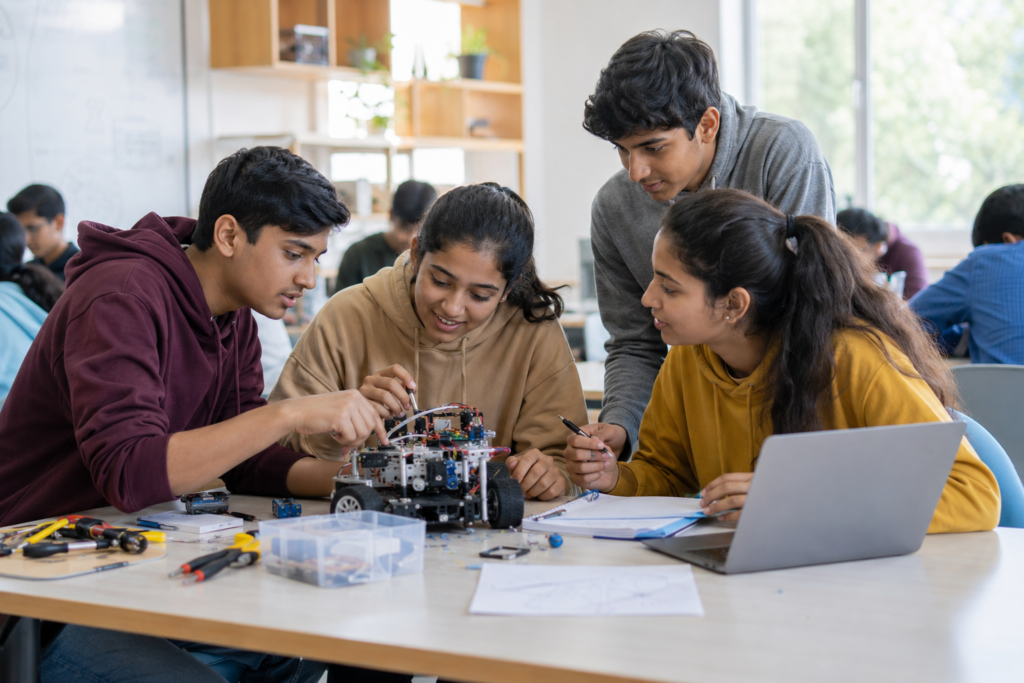
How Modern Parenting Techniques Work
Every family is unique, but successful parenting often follows a structured yet flexible approach.
Understand Your Child’s Individual Needs
Observe your child’s personality, strengths, interests, and emotional responses. Tailoring parenting strategies to these individual characteristics promotes healthier development.
Establish Clear Expectations
Children thrive when they understand family rules and the reasons behind them. Consistent expectations create stability and reduce confusion.
Communicate With Respect
Use calm, respectful language during both positive interactions and moments of correction. Encouraging dialogue helps children feel valued and understood.
Reinforce Positive Behavior
Praise effort, honesty, kindness, and responsibility rather than focusing only on achievements. Positive reinforcement encourages children to repeat constructive behaviors.
Adjust as Children Grow
Children’s developmental needs change with age. Effective parenting evolves by gradually increasing independence while maintaining appropriate guidance and support.
Practical Tips for Parents
Applying Modern Parenting Techniques consistently can make everyday parenting more effective and enjoyable.
Create Daily Family Time
Spend at least a few uninterrupted minutes together each day. Shared meals, walks, games, or conversations strengthen emotional bonds.
Listen Without Immediate Judgment
Allow children to explain their thoughts before offering advice or correction. Feeling heard encourages honest communication.
Be a Positive Role Model
Children often imitate adult behavior. Demonstrating respect, patience, honesty, and responsibility teaches these values more effectively than lectures.
Encourage Problem-Solving
Instead of immediately solving every challenge, guide children with questions that help them think through possible solutions independently.
Praise Effort, Not Perfection
Recognizing persistence and improvement builds resilience and encourages children to continue learning even when tasks are difficult.
Set Healthy Technology Boundaries
Create family rules for device use, encourage offline hobbies, and model balanced digital habits yourself.
Maintain Consistency
Following through with established expectations helps children understand boundaries while creating a predictable and secure environment.
Daily Habits That Support Modern Parenting
Small daily actions often have the greatest long-term impact on family relationships.
Start the Day Positively
A smile, encouraging words, or a simple morning conversation helps children begin the day feeling supported.
Eat Together Whenever Possible
Family meals provide valuable opportunities for conversation, emotional connection, and sharing daily experiences.
Read Together
Reading strengthens language development, imagination, and parent-child bonding regardless of a child’s age.
Encourage Gratitude
Invite children to share something they appreciated each day. Practicing gratitude promotes optimism and emotional well-being.
Spend Time Outdoors
Outdoor activities encourage physical health, creativity, and family interaction while reducing screen dependence.
Respect Individual Differences
Every child develops at a different pace. Supporting unique talents and personalities helps children build confidence and self-esteem.
End the Day With Connection
A bedtime conversation, story, or expression of appreciation provides reassurance and strengthens emotional security before sleep.
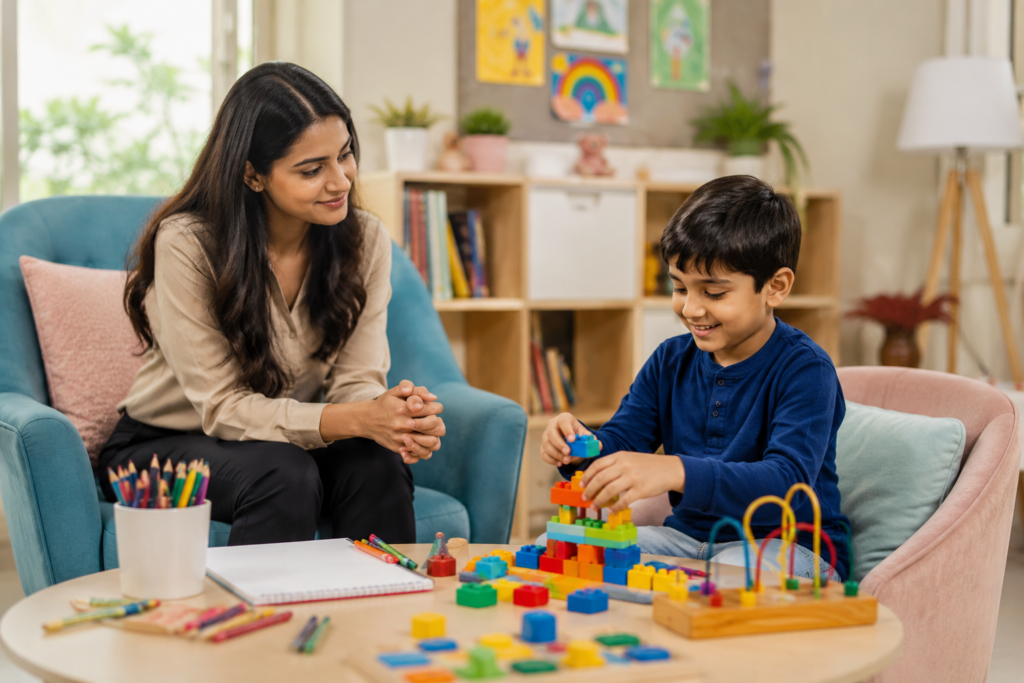
Common Myths About Modern Parenting Techniques
Myth 1: Modern parenting means there are no rules.
Fact: Modern Parenting Techniques encourage clear boundaries and consistent expectations. The difference is that discipline focuses on teaching and guiding rather than relying on fear or harsh punishment.
Myth 2: Being a friendly parent reduces authority.
Fact: Parents can be warm, approachable, and supportive while maintaining healthy authority. Mutual respect often leads to better cooperation than strict control alone.
Myth 3: Children should never experience failure.
Fact: Age-appropriate challenges and setbacks help children develop resilience, confidence, and problem-solving skills. Parents can support children without removing every obstacle.
Myth 4: Technology should be completely banned.
Fact: Digital devices can support learning and creativity when used responsibly. Modern Parenting Techniques emphasize balanced screen time, online safety, and healthy digital habits instead of complete restriction.
Myth 5: Every child should be raised the same way.
Fact: Every child has unique strengths, interests, and emotional needs. Effective parenting adapts strategies while maintaining consistent family values and expectations.
Frequently Asked Questions
1. What are Modern Parenting Techniques?
Modern Parenting Techniques are child-centered approaches that focus on respectful communication, positive discipline, emotional support, and consistent guidance. They aim to help children become confident, responsible, and emotionally healthy while maintaining strong family relationships.
2. At what age can parents start using Modern Parenting Techniques?
These techniques can be introduced from infancy and adapted as children grow. While the methods change with developmental stages, the principles of empathy, consistency, communication, and positive guidance remain valuable throughout childhood and adolescence.
3. Do Modern Parenting Techniques reduce discipline?
No. Modern parenting promotes effective discipline rather than harsh punishment. Children learn appropriate behavior through clear expectations, logical consequences, positive reinforcement, and consistent routines that encourage responsibility.
4. How can parents manage screen time effectively?
Parents should establish age-appropriate limits, create device-free family times, encourage outdoor activities, monitor online content, and model healthy technology habits themselves. Open conversations about digital safety are equally important.
5. Can working parents successfully follow Modern Parenting Techniques?
Absolutely. Quality often matters more than quantity. Even short periods of focused family interaction, active listening, consistent routines, and meaningful conversations can strengthen parent-child relationships despite busy schedules.
6. Why are Modern Parenting Techniques important for today’s families?
Today’s children face academic demands, digital influences, and rapidly changing social environments. Modern Parenting Techniques help families build trust, encourage emotional intelligence, improve communication, and prepare children with skills that support lifelong personal and social success.
Final Thoughts
Parenting is a lifelong journey of learning, adapting, and growing alongside your child. No parent is perfect, and every family experiences challenges along the way. What matters most is creating a loving environment where children feel safe, respected, and encouraged to learn from both successes and mistakes. By embracing Modern Parenting Techniques, families can nurture stronger relationships, healthier communication, and greater emotional resilience that benefits every member of the household.
Conclusion
Healthy parenting is not about achieving perfection—it is about consistently making thoughtful choices that support a child’s overall development. As family life continues to evolve with changing technology, educational expectations, and social influences, parents need flexible strategies that balance guidance with understanding. Building trust, encouraging open communication, setting clear boundaries, and showing empathy all contribute to raising emotionally secure and responsible children.
Modern Parenting Techniques provide practical, evidence-informed approaches that help families navigate everyday challenges while strengthening parent-child relationships. These methods encourage children to develop confidence, independence, emotional intelligence, and problem-solving skills that extend well beyond childhood. They also help parents create a home environment where respect, kindness, and cooperation become part of daily life.
Every child is unique, and parenting approaches should reflect individual personalities, developmental stages, and family values. Small, consistent efforts often create the most meaningful changes over time. Whether you are raising a toddler, a school-age child, or a teenager, applying Modern Parenting Techniques can help foster stronger family connections and prepare children for a healthy, balanced, and successful future.
Contact Information

Amitabh Psychology
S-30, Kris Korner Commercial Plaza, Anand Nagar, Thane West, Thane, Maharashtra 400615
Phone: +91 9136092759
App: https://clpbarney.page.link/q179
YouTube: https://www.youtube.com/amitabhpsychology
Facebook: https://www.facebook.com/Amitabh-Psychology-104335605524034
LinkedIn: https://www.linkedin.com/in/amitabh.s.karmakar
Instagram: https://www.instagram.com/amitabhpsychology/
Take the first step toward a brighter future today with expert Career Counselling in Thane from Dr. Amitabh.