
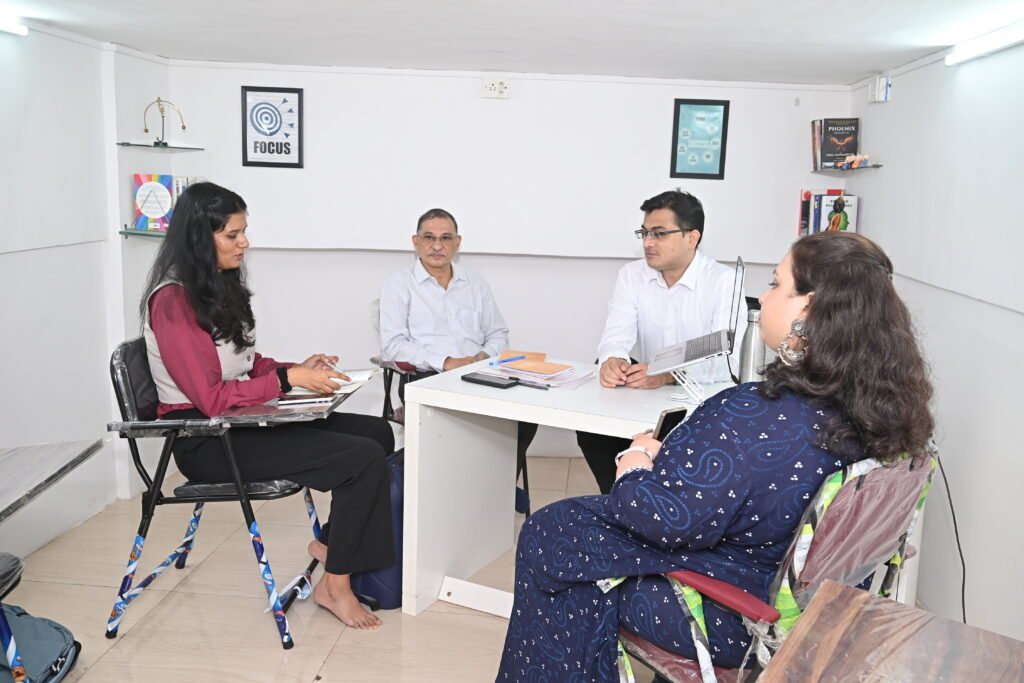
Emotional well-being influences how people handle everyday responsibilities, maintain relationships, make decisions, and respond to difficult situations. However, stress, family expectations, workplace pressure, relationship conflicts, and major life changes can sometimes become difficult to manage alone. When these concerns begin affecting sleep, concentration, confidence, or daily functioning, speaking with a qualified mental health professional may be a helpful step.
Finding a Professional Counsellor Thane can provide an opportunity to discuss personal challenges in a confidential and supportive environment. Counselling is not limited to people experiencing severe emotional distress. It may also help individuals understand their feelings, develop healthier coping strategies, improve communication, and make thoughtful decisions during uncertain periods.
Professional Counsellor Thane, offers a mix of residential neighbourhoods, workplaces, educational institutions, and busy commuting routes. For residents balancing professional and personal responsibilities, convenient access to psychological support can make it easier to prioritise mental health. The right counsellor should offer appropriate training, respectful communication, clear professional boundaries, and an approach suited to your concerns.
This article explains what counselling involves, when professional support may be useful, how sessions typically work, and what to consider when selecting a counsellor in Thane. It also provides practical guidance for preparing for your first appointment and supporting your emotional well-being between sessions.
Table of Contents
What Is Professional Counselling?
Professional counselling is a collaborative process that helps people explore thoughts, feelings, behaviours, and life circumstances with the guidance of a trained professional. Sessions may focus on current difficulties, recurring emotional patterns, relationship concerns, decision-making, or strategies for managing stress.
Professional Counsellor Thane, The purpose is not to judge someone or provide instant solutions to every problem. Instead, counselling creates space to understand concerns, identify realistic goals, and explore different ways of responding to challenging situations.
The services offered depend on the counsellor’s qualifications, training, and professional scope. Some professionals provide general emotional support, while others have additional expertise in areas such as relationship counselling, grief, anxiety management, or family concerns.
When considering a Professional Counsellor Thane, check the person’s credentials and experience to ensure the service is appropriate for your needs. Counselling may support personal growth, but it should not be presented as a guaranteed solution or a substitute for specialised medical care when that is necessary.

7 Benefits of Consulting a Professional Counsellor Thane
1. Better Stress Management
Work deadlines, financial responsibilities, caregiving, and personal expectations can create ongoing stress. When several pressures occur together, even routine tasks may begin to feel overwhelming.
Professional Counsellor Thane, Counselling may help you identify the sources of stress, distinguish between controllable and uncontrollable factors, and develop practical coping strategies. These might include prioritising responsibilities, setting boundaries, and recognising when additional support is needed.
2. Improved Emotional Awareness
Sometimes people recognise that they feel upset but struggle to explain why. Frustration may be connected to disappointment, while withdrawal may reflect exhaustion, uncertainty, or difficulty expressing a need.
Professional Counsellor Thane, A counsellor can help you explore these experiences at a manageable pace. Greater emotional awareness may make it easier to understand your reactions and communicate what you need.
3. Healthier Relationships
Personal relationships can become strained when expectations are unclear, disagreements repeat, or communication becomes defensive. Counselling may help individuals recognise their own patterns and develop more constructive ways of expressing concerns.
Professional Counsellor Thane, For instance, a person who avoids difficult conversations may practise raising concerns calmly rather than remaining silent until frustration builds. This does not guarantee agreement, but it can support clearer communication.
4. Greater Self-Confidence
Persistent self-doubt can affect career choices, friendships, and personal goals. Some people repeatedly compare themselves with others or feel they must meet unrealistic expectations to be accepted.
Professional Counsellor Thane, Counselling may help you examine the beliefs behind these patterns and recognise your strengths and limitations more realistically. The aim is not to eliminate all uncertainty but to make decisions without allowing fear or self-criticism to dominate.
5. Support During Life Transitions
Moving to a new city, changing careers, ending a relationship, becoming a parent, or experiencing a loss can bring mixed emotions. Even positive changes may involve uncertainty and adjustment.
A counsellor can provide space to process these changes, clarify priorities, and identify practical next steps. This may be particularly useful when several responsibilities change at the same time.
6. Healthier Coping Strategies
People sometimes cope with distress by avoiding difficult tasks, withdrawing from others, or reacting impulsively. Although these responses may offer temporary relief, they can create additional difficulties over time.
Counselling may help you explore alternative responses, such as breaking problems into smaller steps, practising relaxation techniques, or seeking appropriate support. Strategies should be tailored to your circumstances rather than treated as universal solutions.
7. A Dedicated Space for Reflection
Daily routines often leave little time to examine personal concerns carefully. A counselling session provides a structured opportunity to slow down, consider different perspectives, and reflect on choices without needing to manage someone else’s expectations.
A Professional Counsellor Thane may help you turn these reflections into realistic goals and review your progress over time. The benefits depend on your needs, the professional relationship, and the approach used.
Common Reasons People Seek Counselling
People approach counsellors for a variety of reasons. There is no requirement to wait until a concern becomes severe before asking for support.
Workplace Stress and Burnout
Heavy workloads, difficult professional relationships, uncertainty about employment, and pressure to perform may affect emotional well-being. People may struggle to relax after work, experience irritability, or find it difficult to concentrate.
Professional Counsellor Thane, Counselling can help identify stress patterns and explore boundaries, problem-solving strategies, and ways to manage expectations. If working conditions are harmful, practical changes or workplace support may also be necessary.
Anxiety and Persistent Worry
Anxiety may involve excessive worry, restlessness, difficulty concentrating, or physical sensations such as a racing heartbeat. These experiences can have different causes, so it is important not to diagnose yourself solely from online information.
Professional Counsellor Thane, A qualified professional can help assess the nature of your concerns and discuss suitable support. Depending on the situation, sessions may involve understanding triggers, examining anxious thinking, or gradually addressing patterns of avoidance.
Family Conflict and Expectations
Disagreements about finances, responsibilities, marriage, parenting, independence, or caregiving can place pressure on family relationships. Cultural expectations and differences between generations may add complexity.
Professional Counsellor Thane, Counselling may help individuals understand their priorities and communicate boundaries respectfully. It does not require rejecting family relationships; it can support decisions that balance personal needs with important responsibilities.
Relationship Difficulties
Trust concerns, repeated arguments, emotional distance, or uncertainty about the future can be difficult to navigate. Individual counselling may help someone understand their feelings and identify what they want from a relationship.
Couples counselling may be an option when both partners want to work on communication or recurring disagreements. Where abuse, coercion, or immediate safety concerns exist, individual specialist support and safety planning may be more appropriate than joint sessions.
Grief and Personal Loss
The death of a loved one, the end of a relationship, or another significant loss may bring sadness, anger, confusion, and changes in daily routines. People process grief differently, and there is no single timetable that applies to everyone.
Professional Counsellor Thane, A counsellor can provide a supportive setting to discuss the loss and consider ways to manage everyday responsibilities while adjusting to change. If distress becomes overwhelming or significantly affects functioning, additional mental health support may be appropriate.

How Counselling Sessions Typically Work
Understanding the counselling process can make the first appointment feel less intimidating. Although approaches vary, sessions often include an initial discussion, goal setting, exploration of concerns, and review of progress.
Initial Consultation and Assessment
The first session usually involves discussing what brought you to counselling and what you hope to understand or change. The counsellor may ask about your current circumstances, relevant personal history, daily routines, relationships, and previous experiences of support.
You can ask why a question is relevant and share information at a pace that feels manageable. You do not need to explain every detail immediately.
Setting Realistic Goals
After understanding your concerns, you and the counsellor may identify a few practical goals. These could include improving communication, managing work-related stress, responding differently to anxiety, or establishing boundaries with family members.
Goals should reflect your priorities and may change as circumstances develop. It is reasonable to ask how progress will be reviewed and what the proposed approach involves.
Exploring Patterns and Learning Skills
Sessions may involve discussing difficult experiences, identifying emotional triggers, examining thought patterns, or practising communication and coping skills. Some approaches include activities between appointments, such as keeping a journal or trying a new response to a recurring challenge.
For example, someone who becomes overwhelmed by a long task list may practise prioritising three essential tasks instead of attempting everything at once. The counsellor can help review what worked and what needs adjustment.
Reviewing Progress
Counselling does not follow an identical timeline for everyone. Some people seek short-term support for a specific decision, while others benefit from longer-term work on persistent concerns.
Discuss your experience openly. If you do not understand the approach or feel that sessions are not addressing your goals, raise the issue with the counsellor. A different method, referral, or additional form of support may be appropriate.
How to Choose the Right Professional Counsellor Thane
Selecting a counsellor involves more than finding an available appointment. Consider professional competence, relevant experience, communication style, confidentiality, and practical accessibility.
Check Qualifications and Experience
Review the counsellor’s qualifications, training, and professional registration where applicable. Ask whether they have experience supporting people with concerns similar to yours, such as workplace stress, grief, relationship difficulties, or anxiety.
Professional titles can refer to different levels of training and different scopes of practice. If you need assessment or treatment for a mental health condition, confirm that the provider is appropriately qualified for that service.
Consider Communication and Comfort
A suitable counsellor should listen carefully, explain their approach clearly, and respect your boundaries. You should feel able to ask questions without being shamed or pressured into sharing information before you are ready.
Comfort does not mean every session will be easy. Difficult topics may bring up strong emotions, but the professional should help you work through them at a manageable pace.
Ask About the Counselling Approach
Different professionals use different methods. Some focus on practical problem-solving and coping skills, while others explore emotional experiences, thought patterns, relationships, or long-standing behaviours.
Ask how the proposed approach relates to your goals. A counsellor should be able to explain what sessions may involve and acknowledge the limits of their methods.
Confirm Fees and Appointment Policies
Before booking, ask about session charges, duration, cancellation policies, payment methods, and appointment availability. Confirm whether follow-up sessions are available at times that suit your schedule.
Transparent information can help you plan financially and avoid confusion later. Be cautious of guarantees about specific outcomes or pressure to purchase a large package before understanding the service.
Understand Confidentiality
Privacy is central to counselling, but confidentiality has legal and professional limits. These may involve immediate safety concerns, legal requirements, or other circumstances defined by applicable rules.
Ask how records are stored, who can access them, and under what circumstances information might need to be shared. The counsellor should explain these boundaries before the work begins.
Local Considerations When Finding Counselling in Thane
Thane includes residential communities, commercial areas, educational institutions, and busy commuting routes. The most suitable service may depend on where you live or work and how often you expect to attend sessions.
When comparing options, consider travel time, public transport, parking, appointment hours, accessibility, and the availability of follow-up appointments. A nearby location may make regular attendance easier, but professional suitability should remain a priority.
If privacy is a concern, ask whether the consultation space is confidential and whether waiting arrangements allow you to feel comfortable. You can also enquire about online sessions if travelling regularly is difficult.
A Professional Counsellor Thane should provide clear information about services and limitations, including whether a referral is needed for concerns outside their expertise. Do not assume that every provider offers specialised therapy, psychiatric assessment, or emergency care.

Online vs. In-Person Counselling
Both online and in-person sessions may be useful, depending on your circumstances and the type of support required.
Online counselling can reduce travel time and may offer greater scheduling flexibility. It can suit people who have demanding work hours or prefer discussing concerns from a private space at home.
However, remote sessions require a reliable connection and a setting where conversations cannot easily be overheard. Online counselling may not be appropriate for every situation, particularly when urgent assessment or coordinated in-person care is needed.
In-person counselling offers a dedicated setting for conversation and may feel more comfortable for some people. Consider travel time, accessibility, and the ability to attend consistently.
Before booking, ask whether the counsellor offers both formats, how privacy is protected, and what arrangements are in place if you need additional support.
Preparing for Your First Appointment
A little preparation can help you use your first session effectively without making the process feel like an examination.
Consider writing down:
- The main concern you want to discuss.
- When you first noticed the difficulty.
- Situations that seem to make it better or worse.
- How it affects your work, relationships, sleep, or routine.
- Any previous support or treatment you have received.
- Questions about the counsellor’s approach and confidentiality.
You do not need to prepare a perfect explanation. It is acceptable to say that you feel confused, do not know where to begin, or are unsure what kind of help you need.
A Professional Counsellor Thane may help you identify the main issues gradually and decide which goals to address first. You can also discuss how you will know whether the sessions are useful and when your plan should be reviewed.

Frequently Asked Questions
1. Why should I consult a Professional Counsellor Thane?
A counsellor may help you explore stress, relationship difficulties, emotional concerns, family conflicts, or major life changes. Choose someone with suitable qualifications and experience who offers an approach aligned with your needs.
2. Do I need a mental health diagnosis before starting counselling?
No. People may seek counselling for everyday stress, decision-making, communication difficulties, self-confidence, or personal growth. You can discuss your concerns without having a formal diagnosis.
3. How many counselling sessions are usually required?
The number depends on your goals, circumstances, the nature of your concerns, and your response to the approach used. Discuss a reasonable plan with the counsellor and review progress together rather than expecting a fixed timeline.
4. Is online counselling available in Thane?
Some professionals offer online sessions, while others work primarily in person. Ask about availability, privacy arrangements, suitability for your concerns, and how additional care would be arranged if required.
5. What is the difference between a counsellor and a psychiatrist?
Counsellors and psychologists may provide psychological support within their qualifications and scope of practice. Psychiatrists are medical doctors who can assess mental health conditions and prescribe medication when appropriate. The right provider depends on your needs.
6. Are counselling sessions confidential?
Counsellors are expected to protect privacy within applicable legal and professional boundaries. Ask about record keeping and the circumstances in which information may need to be shared before starting sessions.
7. When should I seek urgent mental health support?
Seek urgent help if you may harm yourself or someone else, cannot keep yourself safe, or are experiencing an immediate crisis. Contact emergency services or an appropriate crisis-support service. Routine counselling appointments are not a substitute for emergency care.
Conclusion
Emotional challenges can affect relationships, work, confidence, and daily functioning, but people do not have to navigate every difficulty alone. Counselling offers an opportunity to understand concerns, develop practical coping strategies, and make decisions with greater awareness.
Choosing a Professional Counsellor Thane involves checking qualifications, relevant experience, communication style, confidentiality, and accessibility. Consider whether the proposed approach suits your needs, ask questions before beginning, and review your progress as you continue.
You do not need to wait until stress becomes overwhelming to prioritise your mental well-being. Whether you are dealing with family expectations, workplace pressure, relationship difficulties, or a major life transition, seeking appropriate professional guidance may help you identify a constructive path forward.
Contact Information

Amitabh Psychology
S-30, Kris Korner Commercial Plaza, Anand Nagar, Thane West, Thane, Maharashtra 400615
Phone: +91 9136092759
App: https://clpbarney.page.link/q179
YouTube: https://www.youtube.com/amitabhpsychology
Facebook: https://www.facebook.com/Amitabh-Psychology-104335605524034
LinkedIn: https://www.linkedin.com/in/amitabh.s.karmakar
Instagram: https://www.instagram.com/amitabhpsychology/
Take the first step toward a brighter future today with expert Career Counselling in Thane from Dr. Amitabh.